Yemen Monitor/Newsroom:
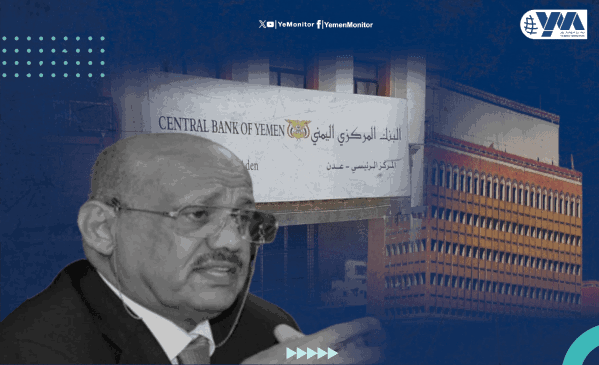
The Central Bank of Yemen in the interim capital, Aden, has announced its categorical rejection of the Houthi group’s issuance of a new 50-rial coin, describing the move as a “dangerous escalation and destructive tampering” that falls within what it called the “economic war” waged by the group against the national economy.
In an official statement, the bank said that “minting a new currency by an illegal entity is a dangerous breach of the understandings reached under regional and international auspices, especially the July 23, 2024 declaration issued by the UN Envoy to Yemen.” That declaration stipulated the freezing of several controversial financial decisions by both parties, as part of efforts to de-escalate economic tensions.
The Central Bank considered the Houthi move a direct undermining of that declaration, emphasizing that minting a counterfeit currency represents a threat to monetary and financial stability in the country.
In a strongly worded warning, the Yemeni Central Bank cautioned branches of banks and exchange companies operating in Houthi-controlled areas against dealing with the new coin or any illegal issuances previously warned against, threatening to impose severe penalties on violating entities.
The July 23, 2024 declaration included concessions from the Central Bank in Aden on several of its measures, including the decision to relocate the main headquarters of banks to liberated governorates, as well as freezing its decision to cancel the old banknote denominations circulating in Houthi areas, as part of humanitarian and banking understandings sponsored by the United Nations.
The Yemeni Central Bank’s statement followed the Houthi group’s announcement on Saturday of the issuance of a new 50-rial coin, which is the second coin issued by the group in 15 months, after previously issuing a 100-rial coin.
The Houthi group justified the issuance of the new currency as “an endeavor to address the crisis of damaged banknotes and improve the quality of circulating national currency,” according to a statement issued by the Central Bank in Sana’a, which is under the group’s control.