Hunger Crisis Hits Yemen… UN Warns of Severe Food Deterioration Threatening Millions of Yemenis

Yemen Monitor / Newsroom:
Three UN agencies said on Wednesday that approximately half of the population in areas under the control of Yemeni internationally recognized government are facing high levels of acute food insecurity, warning that the crisis will worsen in the coming months due to declining humanitarian funding.
The Food and Agriculture Organization (FAO), the World Food Programme (WFP), and the United Nations Children’s Fund (UNICEF) stated in a joint statement, based on the latest analysis from the global Integrated Food Security Phase Classification (IPC) platform, that around 5 million people – equivalent to 47 percent of the population in government-controlled areas – are currently experiencing crisis or worse levels of acute food insecurity.
The statement added that about 1.4 million people are already living in a “food emergency” phase, with the number expected to rise in the coming period due to ongoing economic and climate pressures and declining international aid.
The UN agencies were quoted as saying that “families are being pushed beyond their ability to cope due to the cumulative impacts of economic collapse, climate shocks, disruption of livelihoods, and declining humanitarian support.”
Expected Worsening of Hunger
The agencies predicted that the extended dry season between June and September will push the number of people facing emergency conditions to approximately 1.5 million.
They also expected that the post-harvest period, between October and December 2026, will see a continued deterioration of the food situation, with the number of people classified in Phase 4 of the IPC increasing to 1.8 million.
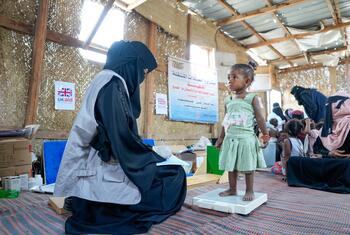
They confirmed that food insecurity remains one of the main drivers of high malnutrition rates in Yemen after more than a decade of conflict, noting that pregnant and breastfeeding women and young children are most vulnerable to the health risks associated with malnutrition.
Multiple Causes of the Crisis
The UN agencies attributed the worsening crisis to several factors, including irregular salary payments, rising food and fuel prices, declining income opportunities, as well as constraints facing the agricultural sector.
They pointed out that about 60 percent of Yemeni households depend partially or entirely on agriculture. However, agricultural production faces increasing challenges due to extreme weather conditions, the spread of pests, and disrupted supply chains.
Conversely, they warned that food aid and humanitarian programs in nutrition, health, water, and sanitation are expected to decline sharply due to funding shortfalls, which will lead to reduced support for the most vulnerable groups.
Calls for Increased Funding
The UN agencies called on the international community to provide urgent and sustainable funding for food assistance, nutrition, health, agriculture programs, and resilience building.
They stressed that failure to take immediate and wide-ranging action could push millions of Yemenis further into hunger, malnutrition, and the irreversible loss of their livelihoods.