Yemen Monitor / Newsroom:
Thomas Fletcher, UN Under-Secretary-General for Humanitarian Affairs, has warned of the deteriorating humanitarian situation in Yemen, highlighting the suffering of millions of children and women due to malnutrition, a collapsing healthcare system, and lack of funding.
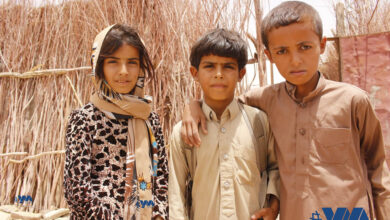
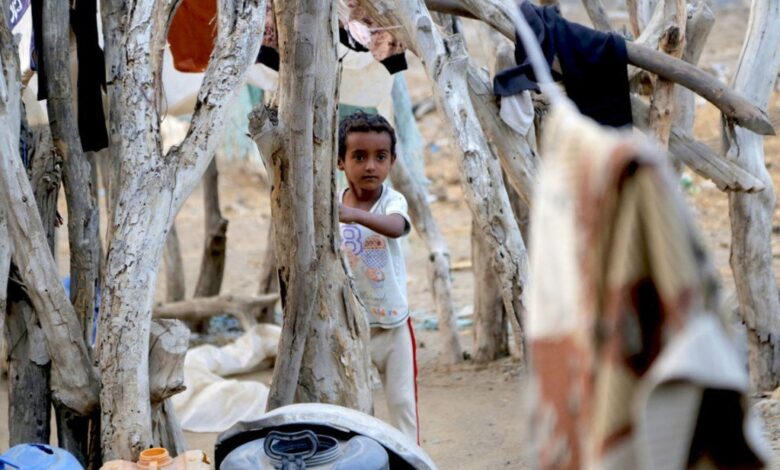
In a statement issued Wednesday, Fletcher confirmed that half of Yemen’s 2.3 million children are malnourished, including 600,000 suffering from acute malnutrition that threatens their lives.
He noted that children are the most vulnerable amid the worsening humanitarian conditions, especially with low vaccination rates. Only 69% of children under one year have received full vaccinations, while 20% have not received any vaccines at all—figures he described as “among the worst globally.”
The UN official pointed to the growing crisis fueled by outbreaks of preventable diseases such as cholera and measles. Last year, Yemen accounted for over a third of global cholera cases and 18% of global cholera deaths, in addition to recording one of the highest measles rates worldwide.
He also highlighted the dangers of landmines scattered across fields, which children are forced to face daily, amid the absence of basic educational services in schools lacking teachers and textbooks.
The suffering extends beyond children. Around 1.4 million pregnant and breastfeeding women are malnourished, putting their lives and those of their newborns at risk.
Fletcher stated that 9.6 million Yemeni women and girls are in urgent need of life-saving assistance, amid a collapsing healthcare system, widespread hunger, and escalating violence.
He warned of a severe funding shortfall, revealing that only 9% of the required funding for the 2025 Humanitarian Response Plan has been met. This shortfall could lead to the closure of 400 health facilities and deprive 7 million people of essential healthcare services.
He described the situation as “a humanitarian tragedy that demands urgent international action before it is too late.”
These alarming figures reveal the scale of the humanitarian catastrophe in Yemen, exacerbated by years of conflict and declining international support—necessitating immediate intervention to save an entire generation from the grip of death and disease.