Yemen Monitor / Newsroom:
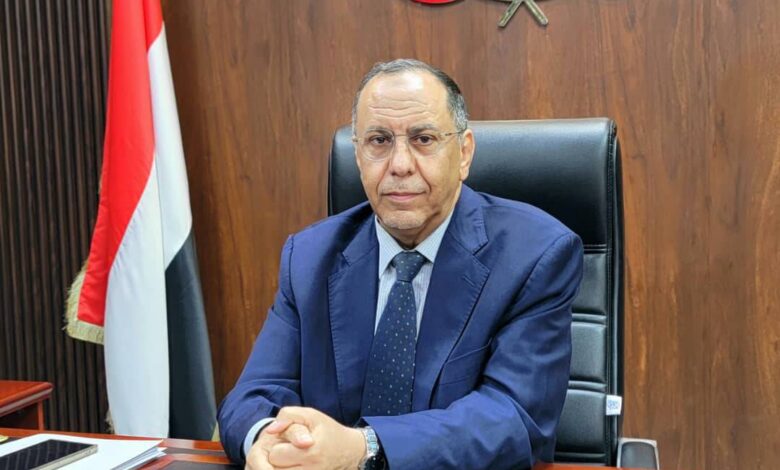
The Minister of Industry and Trade in the Yemeni government, Dr. Mohamed Al-Ashwal, confirmed that the Import Regulation Committee has disbursed more than $3 billion to traders. This move aims to secure the flow of basic commodities and provide the private sector with “security” by granting access to hard currency at the official exchange rate.
In an interview with Al-Hadath channel, the Minister explained that the measures taken by the Import Regulation Committee have achieved market stability and protected consumers from exchange rate fluctuations. Al-Ashwal noted that all goods entering through land and sea ports—including the Port of Aden and the Shahen border crossing—flow smoothly to various governorates of the Republic without exception. This ensures that the basic needs of citizens are met, underscoring that the Ministry operates from a comprehensive national responsibility.
The Minister of Industry also stressed that the Ministry is working across several strategic tracks, most notably a solid partnership with the private sector. He described the private sector as a fundamental partner in the country’s economic development, noting its resilience and sacrifices during years of war and crisis. He added that the Ministry’s efforts have successfully secured a strategic reserve of basic materials sufficient for a period of three to six months, contributing to market stability despite difficult conditions.
The Minister pointed out that the Ministry operates according to a strategic vision that includes maintaining a safe reserve of essential goods. He emphasized that serving the citizen remains the top priority, with efforts focused on providing goods at prices that align with the improvement of the national currency’s exchange rate, especially in light of declining purchasing power and the impact of the economic crisis on salaries.
Al-Ashwal revealed the Ministry’s four-year strategic plan, which includes intensifying field visits by monitoring teams to crack down on violators. This runs parallel to activating a dedicated operations room and the “Rasd” (Monitor) digital platform, which connects traders, citizens, and the Ministry to receive complaints and reports daily.
In his concluding remarks, the Minister clarified that the domestic gas crisis is an “administrative crisis, not a production crisis.” He revealed that directives have been issued to double the quotas allocated to governorates—particularly the temporary capital, Aden—and that a technical committee has been formed to resolve the issue within the next two days.