Yemen Monitor / Newsroom:
A renewed crisis of adulterated fuel has sparked widespread public anger across the Yemeni capital and other areas under Houthi control, coinciding with the Eid al-Adha holiday.
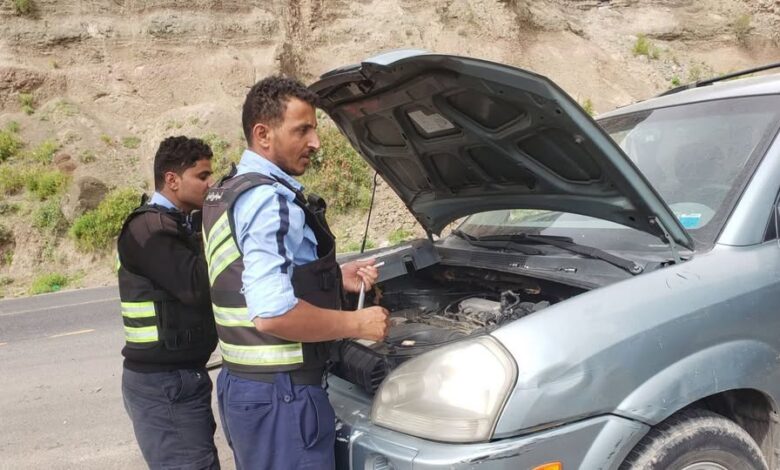
Local citizens and activists are reporting a severe surge in vehicle breakdowns, leaving many motorists stranded and facing exorbitant repair bills. According to local accounts, the substandard fuel has caused extensive damage to car engines and vital mechanical components. One resident, Bassam Muhammad, reported that a 10,000-riyal fuel purchase resulted in a staggering 135,000-riyal repair bill, echoing the frustrations of many who feel left to bear the financial burden alone.
Growing Calls for Accountability
The crisis has triggered intense criticism over a perceived lack of oversight and accountability regarding how the fuel shipments entered the market.
- Demands for Investigation: Activists and economic experts are calling for a transparent investigation into the inspection and distribution processes, demanding that those responsible for importing the non-compliant fuel be referred to judicial authorities.
- Economic Impact: Economic expert Ali Al-Twaiti warned that the issue extends beyond individual losses, noting that the recurrent problem drains the national economy and wastes hard currency on imported replacement parts.
Official Response Deemed Insufficient
In response to the growing backlash, the Houthi-controlled Yemeni Oil Company in Sana’a issued a brief social media statement. The company asserted that it is monitoring the situation and urged citizens to log formal complaints through its official channels to help “diagnose and address” service issues.
However, the statement offered no clarification on the presence of contaminated fuel or potential compensation mechanisms, drawing further criticism from residents who view the response as an attempt to side-step the root of the problem. With official solutions lacking, citizens on social media are actively urging affected motorists to document their fuel purchases and maintenance receipts in preparation for potential future legal action or compensation claims.