Yemen Monitor/ Riyadh/ Exclusive:
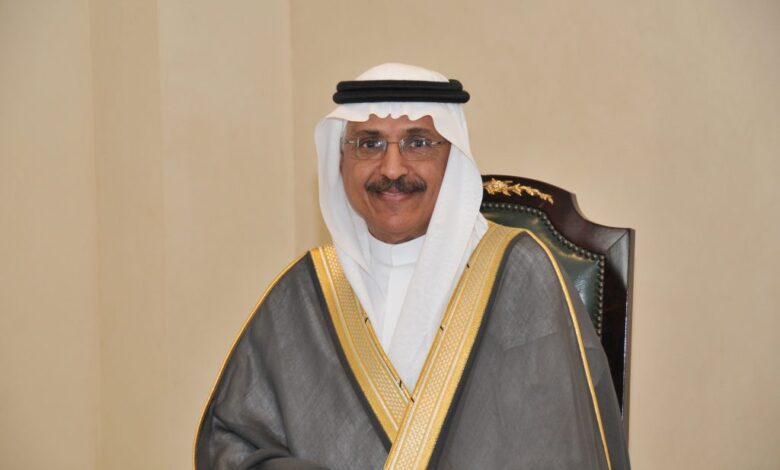
Dr. Abdel Aziz Aluwaisheg, the GCC Assistant Secretary-General for Political Affairs and Negotiations, has affirmed that “economic integration and strategic partnership” between Yemen and the Gulf states can commence immediately in liberated areas.
In an interview with Saudi TV (Al-Ekhbariya) followed by Yemen Monitor, Dr. Aluwaisheg clarified that this progress does not require a comprehensive political solution or the end of Houthi control over certain territories as a prerequisite.
Dr. Aluwaisheg explained that the GCC’s vision for Yemen is built upon four strategic pillars: political, security, economic, and social. He noted that the 2002 Sana’a Agreement served as the foundation for aligning Yemeni laws with Gulf standards—a process originally intended to be completed within 20 years before the Houthi coup disrupted the timeline.
Addressing concerns about Yemen’s republican system differing from the Gulf monarchies, Aluwaisheg dismissed the idea that political homogeneity is necessary for a strategic partnership.
“A partnership does not require identical systems; it requires a unified outlook toward regional security and economic integration.”
He cited the GCC’s successful partnerships with global powers like China and the United States as evidence that cooperation can thrive despite differing political structures.
The GCC official highlighted a significant economic chasm caused by the conflict. Yemen’s GDP dropped from $43 billion before the coup to approximately $17 billion today. Furthermore, prior to 2014, Gulf investments accounted for 80% of all foreign investment in Yemen.
Despite this deterioration, Aluwaisheg emphasized that the GCC remains committed to its plan to bridge this gap. He noted that the current unity within the Yemeni Presidential Leadership Council (PLC) provides a fresh opportunity to move forward, as the government is finally “speaking with one voice.”
This statement follows a call from Rashad Al-Alimi, Chairman of the Yemeni Presidential Leadership Council, during the Munich Security Conference, where he urged for a deeper Yemen-GCC partnership despite the current challenges preventing full membership.