Yemen Monitor / Marib / Exclusive:
A report published by the European political affairs outlet Euractiv has called on the European Union to take a decisive step by designating Yemen’s Houthi group as a “terrorist organization,” arguing that the current policy of “restraint” is no longer sufficient to deter the threats the group poses to maritime security and global supply chains.
The report, reviewed by Yemen Monitor, said the time has come for Brussels to shift its diplomatic approach toward the Houthis, stressing that classifying the group as a terrorist entity would provide stronger legal and financial tools to cut off its funding sources and restrict the international movement of its leadership.
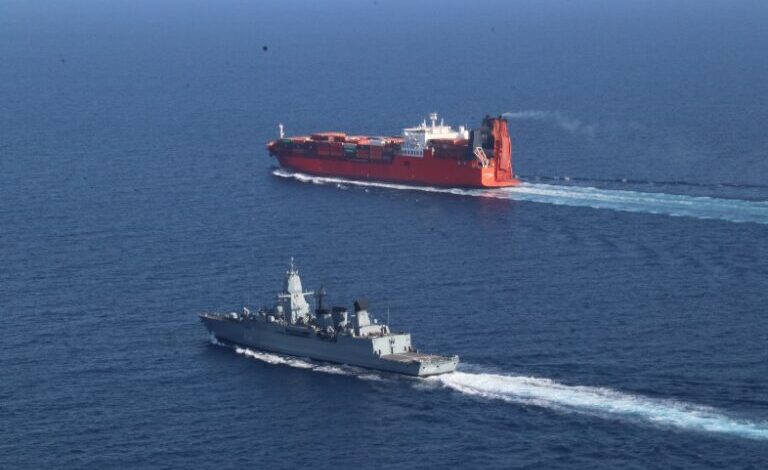
According to the report, the Houthis’ ongoing attacks in the Red Sea and the Gulf of Aden are no longer merely a localized military threat, but have evolved into a global economic crisis that has driven up shipping and insurance costs. This, it said, requires a European response that goes beyond purely defensive operations such as Operation ASPIDES.
Euractiv noted that a terrorist designation would send a strong political message that the international community will not tolerate attacks on civilian navigation. The report added that such a move would bolster the negotiating position of Yemen’s internationally recognized government and curb the group’s exploitation of the humanitarian situation to expand its military influence and political gains.
The report also pointed to internal debates in Brussels over the potential consequences of such a designation, with some parties concerned about its impact on the flow of humanitarian aid to Houthi-controlled areas. However, analysts cited in the report argued that “humanitarian exemptions” could be carefully crafted to ensure aid delivery while maintaining pressure on the group’s military and financial activities.
The report concluded that continued European hesitation on this decision could be interpreted by the Houthis and their regional backers as a sign of weakness, potentially leading to further escalation that would threaten Europe’s strategic interests in the Middle East and disrupt one of the world’s most vital maritime corridors.