WHO Warns of Disease Outbreaks in Yemen Amid Health Crises and Collapsed Infrastructure

Yemen Monitor / Newsroom:
The ongoing conflict in Yemen continues to cause severe damage to the healthcare system, as the population suffers from deteriorating humanitarian and health conditions due to dilapidated infrastructure, a lack of sanitation facilities, and overcrowded households. The country is witnessing high rates of disease outbreaks, especially under the difficult living conditions and widespread poverty.
The World Health Organization (WHO) reported that since the beginning of 2024, Yemen has recorded over 11,300 suspected cases of dengue fever, in addition to nearly 890,000 suspected cases of malaria. The situation is further compounded by the heavy rains and floods that recently swept through Yemen’s eastern governorates, causing extensive damage to roads, agricultural lands, and electricity and water networks.
In response to these challenges, the Yemeni Ministry of Health and the WHO, with support from the Central Emergency Response Fund, launched a large-scale campaign to combat mosquito-borne diseases in six governorates. The campaign focused on implementing awareness activities through community health volunteers, as well as residual and indoor spraying, managing larval sources, and disposing of used tires, which are fertile breeding grounds for mosquitoes.
These efforts face additional challenges due to extreme weather events that increase mosquito breeding sites. Additionally, a lack of clean water sources forces many families to store water in open containers, which exacerbates the risk of water- and vector-borne diseases.
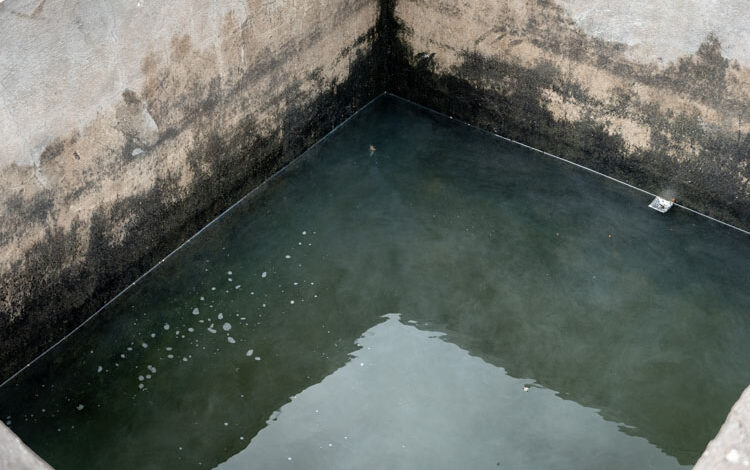
The report also noted that cemeteries within cities, which contain open water tanks used by residents for irrigation and to show respect for the deceased, are fertile environments for mosquito breeding and disease transmission. Health teams are applying long-lasting insecticides at these sites to break the disease transmission cycle and curb the spread of mosquitoes.
These facts confirm the urgent need to adopt integrated strategies to combat emerging diseases and protect the health of millions of Yemenis living under a continuous humanitarian and health crisis.