Yemen Monitor/Aden/Exclusive
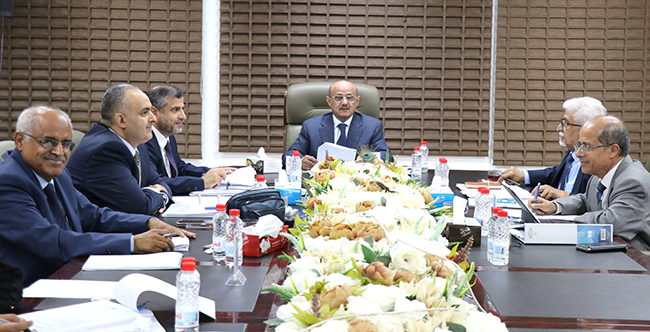
During its regular meeting on Sunday, the Board of Directors of the Central Bank of Yemen in Aden approved a package of measures to address the shortage of national currency liquidity in the local market, while affirming its strict policies to control the money supply.
This step is part of the bank’s efforts to restore stability to the banking sector and combat illegal activities.
The meeting, chaired by the bank’s governor, discussed recent financial and economic developments and the executive management’s plans for dealing with current challenges. The board also approved a plan to restructure the Banking Institute and appoint its board of directors, with the goal of enhancing banking training.
In an important move to regulate the currency exchange market, the board was briefed on the progress made in restructuring and expanding the membership of the Unified Network for Financial Transfers. The aim is to facilitate the supervision of transfers and ultimately shut down unlicensed networks that enable speculation.
The bank stressed the need to complete this work to ensure its integration with the new payment systems funded by the World Bank.
The board also reviewed a report from the bank’s governor, who is also the head of the National Committee for Financing and Regulating Imports. The report covered the committee’s activities, which contribute to market regulation and the fight against illicit activities. The bank stressed the importance of support from all parties for the committee’s work in serving the public interest.
The past few weeks have seen a series of strict measures by the Central Bank in Aden. After issuing decisions to relocate the headquarters of commercial, Islamic, and exchange companies from Sana’a to Aden, the bank followed up with decisions to close exchange shops and companies that violated its laws.