750 Tons of Iranian Escalation… Has the Yemeni Army and its Allies Matured Enough to Curb the Houthis?!

Yemen Monitor/Reports Unit/Special Analysis:
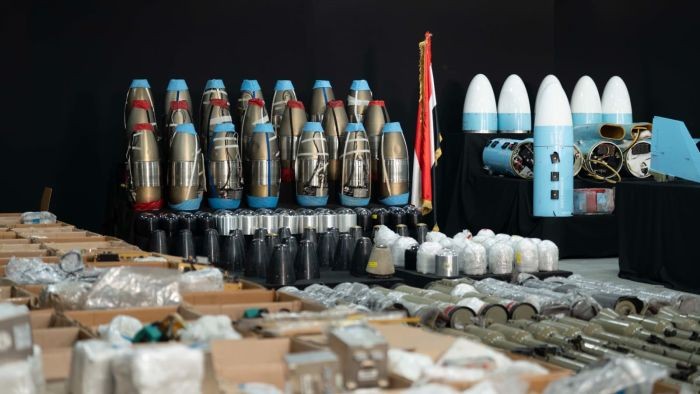
This week, forces loyal to the internationally recognized Yemeni government, specifically the National Resistance Forces led by Tariq Saleh, intercepted a massive shipment of Iranian-made weapons that was headed to the Houthi group. The shipment, weighing 750 tons, was described as one of the largest ever intercepted.
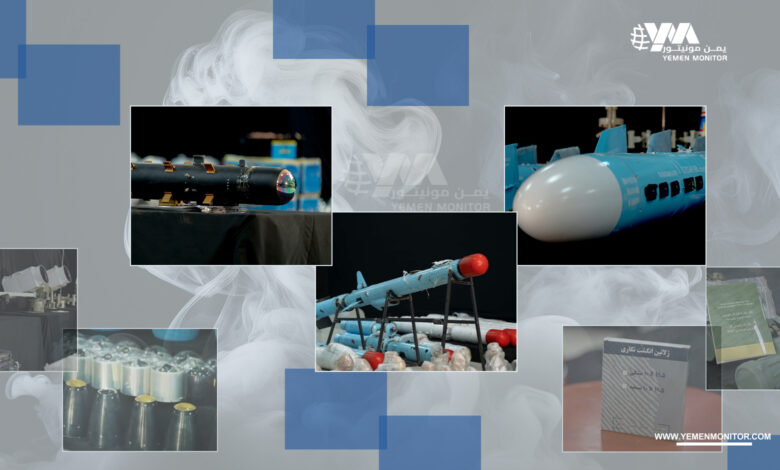
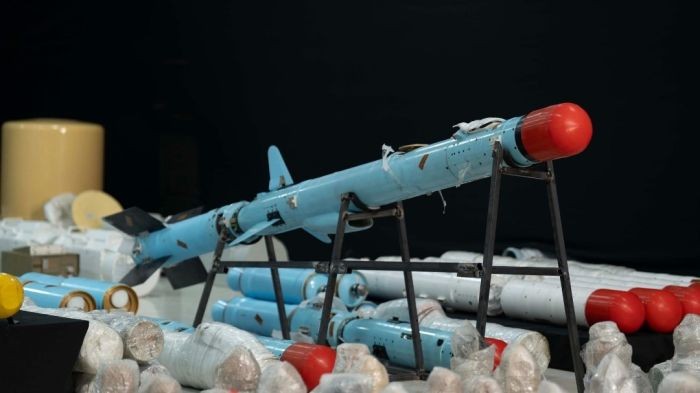
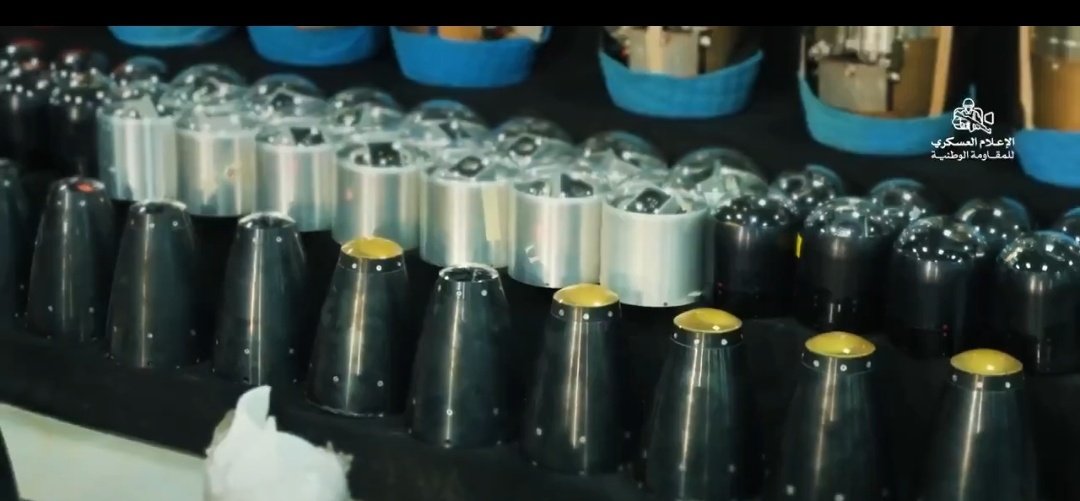
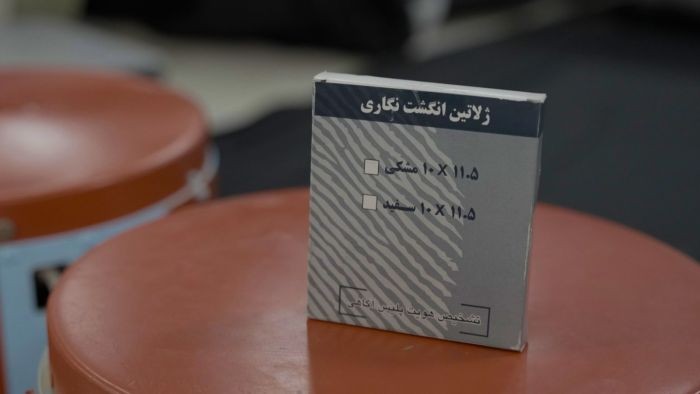
The shipment included cruise missiles, anti-ship and anti-aircraft missiles, as well as warheads and drone engines. These shipments were found hidden on board a ship called “Boom,” beneath covers of air conditioners and batteries. Multiple documents in Persian were found within the shipment, including a manual for cameras used to guide anti-aircraft missiles and a certificate of quality attached to missile fins manufactured by an Iranian company, indicating its Iranian origin.
So, what are the implications of intercepting this huge shipment locally and for Iran, and what does it mean for the war in Yemen? This analysis answers these questions, discussing the event’s impact on local dynamics and potential shifts in front lines.
General Michael Erik Kurilla, Commander of U.S. Central Command (CENTCOM), affirmed that “the interception of this massive Iranian shipment demonstrates that Iran remains the most destabilizing actor in the region. Restricting the free flow of Iranian support to the Houthis is critical for regional security, stability, and freedom of navigation.”
Previous seizures by the Yemeni and U.S. governments usually yielded small arms or spare parts, not fully assembled missiles. One of the largest shipments observed was in 2013 when Yemeni forces intercepted the ship “Jihan 1,” which at that time carried only 48 tons, illustrating the Iranian shift towards sending large shipments, despite the weakening it experienced after the Israeli attacks last June, which lasted for 12 days.
Is Iran Willing to Take Greater Risks?
The massive 750-ton shipment aboard a single vessel suggests that Iran is not merely maintaining its support for the Houthis—it is dramatically escalating it. This marks a heightened level of commitment from Tehran, and perhaps a greater willingness to bear the risks of smuggling operations. The move signals a strategic necessity for Iran to ensure that the Houthis remain armed, even as its own weapons stockpiles have reportedly diminished due to Israeli airstrikes that lasted 12 days. Reports indicate Iran’s cache of advanced weaponry dropped by 35% in just the first week of those attacks.
This behavior demonstrates Iran’s unwavering resolve to project power through its regional proxies—even at the cost of blatant violations of international arms embargoes. It suggests that Tehran perceives the strategic benefits of empowering the Houthis—such as disrupting Red Sea shipping lanes, pressuring Saudi Arabia, and gaining leverage against Israel and the U.S.—as outweighing the risks of interception and international condemnation. This is contrary to the prevailing perception among experts that Tehran might scale back on arming its allies in favor of bolstering its own stockpiles.
The incident also reflects what may be only the visible portion of a much larger arms smuggling operation to the Houthis over the past two years—one that frequently evades international forces patrolling Yemen’s coastal strip.
According to The Wall Street Journal (Thursday), Iran has resumed supplying the Houthis and other regional allies with weaponry in recent weeks, signaling a systematic effort to restore proxy strength.
And this effort is already bearing fruit. The seized shipment included Qadir anti-ship missiles—the same type used in recent Houthi attacks that sank two vessels in the Red Sea, resulting in the deaths of at least four sailors. This direct link underscores the immediate battlefield impact of Iranian arms transfers and clarifies the operational expectations placed on the Houthis in the coming weeks.
The interception comes at a time when Iran faces mounting threats of renewed Israeli strikes should it fail to comply with U.S. and Israeli demands to dismantle parts of its nuclear program and possibly its ballistic missile program. This context makes Iran’s push to arm the Houthis even more significant: it’s a strategic message that Tehran is not retreating—but doubling down on asymmetrical pressure.
The Houthis are likely to remain at the forefront of Iran’s regional strategy—acting as an active deterrent and a disruptive force. As international negotiations stall and tensions escalate, the Red Sea could once again become a theater of geopolitical signaling, with the Houthis as Iran’s vanguard.
Local Dynamics and the Strategic Implications of the Interception
The recent interception carried out by Yemen’s National Resistance Forces—rather than the historically dominant U.S. or Western naval forces—marks a potentially significant shift in Yemen’s operational landscape regarding the fight against arms smuggling to the Houthis. It signals a tangible upgrade in the intelligence and operational capabilities of local Yemeni forces and suggests a deliberate strategy by international partners to empower local actors in combating Iranian weapons transfers.
This operation raises important questions about the effectiveness of wide-scale international naval efforts to halt arms flows completely. The event may indicate that a localized approach to protecting Yemen’s coasts and reinforcing its maritime forces is no longer a symbolic gesture, but a strategic necessity.
The interception reflects the early success of months-long U.S. and UK efforts, under the Biden administration, to develop a maritime security partnership with Yemen’s internationally recognized government and allied forces in the south and west of the country. These efforts included providing equipment, training, and regular salary support to Yemeni Coast Guard units in an effort to disrupt arms trafficking routes used to supply the Houthis. Ultimately, such support could help Yemeni institutions regain some degree of national sovereignty.
This interception serves as a strong indication that Yemeni government-aligned forces are increasingly capable of confronting the Houthis and potentially regaining territory—if they are supported with the necessary equipment, training, and long-term strategic planning by regional and international allies.
For the Houthis, the loss of a 750-ton shipment is a major logistical blow, particularly as their stockpiles have already been hit hard by intense U.S. airstrikes from March to May 2025. As security analyst Mohammed Al-Basha, founder of Pasha Report, noted:
“The timing and scale of the shipment strongly suggest that Iran is moving quickly to replenish Houthi stocks depleted by US airstrikes.”
However, some experts caution against overstating the short-term impact. Military affairs researcher Adnan Al-Jaberni explained that the Houthis still possess “large stockpiles” of weapons and that their smuggling networks remain largely intact, estimating that only 5–10% of smuggled weapons are intercepted.
The Houthis have shown remarkable resilience over the past decade in the face of sustained aerial bombardment. This makes any strategy focused solely on cutting off smuggling routes an incomplete solution, especially as the group continues to carry out Iran-backed naval attacks.
Thus, while this massive interception is unlikely to shift the military balance on the ground in the short term, it delivers a critical symbolic and morale-boosting win for anti-Houthi factions. It also boosts the legitimacy and confidence of government-aligned Yemeni forces and could encourage further local initiatives to disrupt Houthi supply chains and challenge their control.
It also suggests that a single interception, even a massive one, is unlikely to fundamentally change the pace of their operations in the Red Sea in the short term. The Houthis’ ability to continue attacks despite American and British strikes indicates a deeper strategic resilience. This highlights the weaknesses of defensive strategies or those focused solely on intercepting smuggling lines, and points to the need for a more comprehensive approach.
Finally, the interception of this massive Iranian arms shipment reveals Tehran’s continued determination to support its proxies, even amidst international pressure and escalating regional tension.
Moreover, while this achievement represents a significant intelligence and operational victory for the Yemeni forces allied with the legitimate government, it also highlights the urgent need for more integrated and comprehensive strategies and multifaceted support to deal with the Houthis to ensure the long-term stability of Yemen, the region, and the freedom of international navigation.