Yemen Monitor/Newsroom:
UN organizations have reported that nearly half of the population in areas controlled by the Yemeni government are facing severe food insecurity, acknowledging a significant deterioration in the food situation over recent months.
The Food and Agriculture Organization (FAO), the World Food Programme (WFP), and UNICEF warned in a joint statement that the crisis could worsen further in the coming months if urgent action is not taken.
Data released today showed that approximately 4.95 million people between May and August 2025 are experiencing crisis-level food insecurity or worse, with 1.5 million in emergency conditions. This marks an increase of 370,000 people compared to the period from November 2024 to February 2025. They anticipate that an additional 420,000 people will join this number between September 2025 and February 2026, raising the total affected to over 5.3 million, which is more than half of the population in those areas.
The crisis is compounded by economic deterioration and currency devaluation, intertwined with factors such as conflict and extreme weather events, including the potential for floods and the impact of desert locusts on agricultural production.
Delayed planting seasons and an increase in plant and animal diseases have further exacerbated the humanitarian situation.
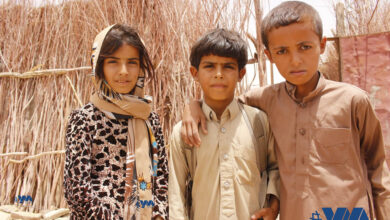
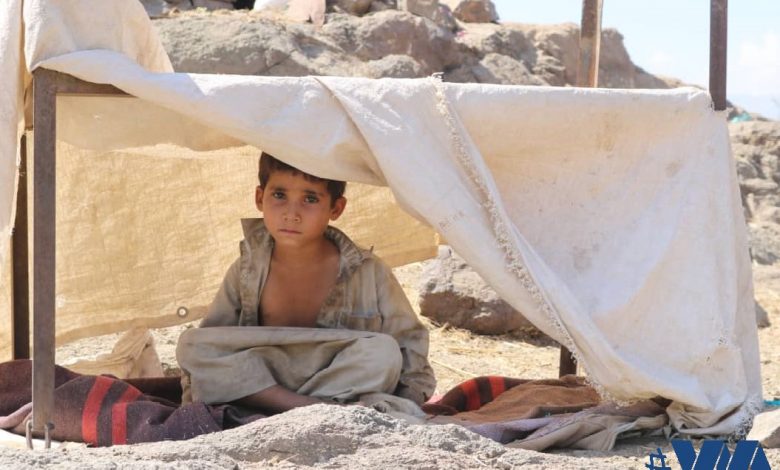
Under these circumstances, humanitarian agencies emphasize the importance of directing their efforts towards providing integrated interventions targeting the most vulnerable areas, especially internally displaced persons (IDPs), low-income families, and children, to curb the deterioration and ensure the continuity of essential services.
Simon Hoolema from the WFP stated that the growing number of hungry people is a cause for severe concern, especially with the unprecedented funding challenges faced by organizations. He stressed the necessity of providing immediate support to the most vulnerable families to protect them from the risk of deep food insecurity.
Dr. Hussein Gadain from the FAO concluded by saying that the situation is critical and requires urgent interventions, considering agriculture as the key to ending the crisis. He added that the weak and delayed rainy season threatens farmers’ livelihoods, leading to a deterioration of food stocks and exacerbating the suffering of the population.
In a related context, UNICEF highlighted that 2.4 million children under five and 1.5 million pregnant and lactating women are suffering from acute malnutrition, putting their lives at risk and increasing the likelihood of diseases and developmental delays. The agency and its partners are working to expand sustainable interventions to address the escalating humanitarian crisis.