Government Meeting in Aden Discusses Urgent Measures To Contain Electricity Crisis During Summer


Yemen Monitor / Newsroom:
Yemeni officials in the temporary capital Aden discussed urgent measures to support the electricity sector and improve service stability in Aden and government-controlled governorates, amid an escalating power outage crisis coinciding with rising temperatures and increased energy demand during the summer season.
The discussions took place during a meeting held at the headquarters of the Central Bank of Yemen, implementing directives from Chairman of the Presidential Leadership Council Rashad Al-Alimi and decisions of the Supreme Energy Council. The meeting was attended by Central Bank Governor Ahmed Ghaleb, along with the ministers of Finance, Electricity, Oil, and Transport.
The meeting discussed a package of urgent measures aimed at enhancing the operational capacity of power generation plants by providing the necessary funding for maintenance work and fulfilling essential technical obligations to ensure service continuity and reduce outage hours.
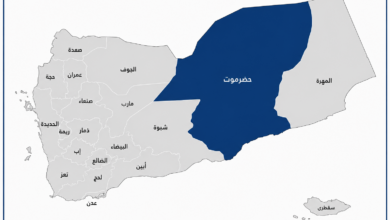
Officials also reviewed arrangements for securing fuel for power plants from oil fields in Hadramawt, Marib, and Shabwa, as well as mechanisms for benefiting from Saudi support allocated to the energy sector, contributing to reducing bottlenecks related to fuel supplies.
The meeting emphasized the importance of accelerating the implementation of agreed-upon remedies and raising the readiness of generation plants, especially with increasing electrical loads during the summer months, aiming to alleviate the suffering of residents and improve service stability in liberated governorates.
On Sunday, Yemen’s Supreme Energy Council approved a series of measures aimed at mitigating the electricity crisis and improving fuel supplies for power plants in government-controlled areas, during a meeting held in the temporary capital Aden chaired by Prime Minister Shaye’ Al-Zindani and attended by several ministers and economic officials.
The Council adopted a permanent mechanism for providing necessary fuel for power plants, including addressing shortages of diesel and mazut by utilizing available quantities under the support agreement signed with the Saudi Program for the Development and Reconstruction of Yemen, in addition to securing the necessary crude oil to operate the turbines of the “President’s Plant” in Aden at full production capacity.
The Council stressed the importance of expanding renewable energy projects and encouraging private sector investments in the electricity sector, considering them strategic options to relieve pressure on the traditional generation system.
Attendees also approved expanding the use of smart meters, regulating collection processes, and improving revenue efficiency, while obligating local authorities in liberated governorates to remit electricity institutions’ revenues to the account of the General Electricity Corporation at the Central Bank, aiming to enhance financial resources and improve operational expenditure management.