Yemen Monitor / Marib / Exclusive:
At the beginning of 2026, Yemen is witnessing dramatic shifts in internal power balances. Recent Saudi military intervention has led to the dismantling of the Southern Transitional Council’s (STC) influence and the restructuring of the Presidential Leadership Council (PLC), while an “anxious calm” continues to hang over the front lines with the Houthis and international shipping lanes, amid warnings of an imminent humanitarian catastrophe due to a lack of funding.
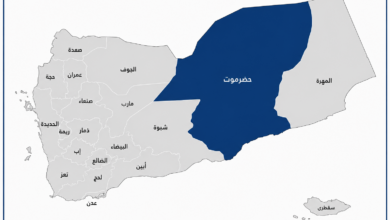
A recent report by the U.S. Congressional Research Service revealed that the Kingdom of Saudi Arabia carried out direct military intervention in December 2025 and January 2026 against the Southern Transitional Council. Government forces, with Saudi support, succeeded in regaining control of the temporary capital, Aden, and the eastern governorates that the “STC” had previously controlled.
This intervention led to the dissolution of the STC and a change in the composition of the eight-member Presidential Leadership Council, in addition to extensive ministerial reshuffles in the Government of the Republic of Yemen. According to the report, Saudi Arabia has now become the primary sponsor and first security partner of the Yemeni government, while the remaining Emirati forces left the country following Saudi accusations against Abu Dhabi of supporting the STC’s movements.
Regarding Red Sea security, the report indicated that the U.S. military campaign launched between March and May 2025 aimed to force the Houthis to stop their attacks. This campaign ended with an agreement mediated by the Sultanate of Oman, which stipulated that the Houthis would stop targeting American ships in exchange for Washington ceasing strikes inside Yemen.
Despite this agreement, the Houthis continued to target non-American ships in July 2025 and launched long-range strikes toward Israel, before temporarily suspending their attacks following the ceasefire in Gaza in October 2025. However, the report warns that the Houthis have shown readiness to resume attacks in the event of renewed conflict in the Gaza Strip or with Iran.
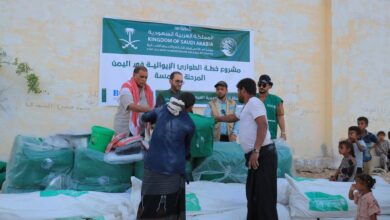
On the humanitarian front, the situation is growing bleaker, with 19.5 million Yemenis (more than half the population) in need of assistance. The report explained that the 2025 UN appeal was only 28.3% funded, leading to a sharp funding gap. As a result of this crisis and security risks, the World Food Programme (WFP) announced the termination of its operations in Houthi-controlled areas in the north.
Internally in Washington, the Trump administration re-designated the Houthi group as a Global Terrorist Organization in March 2025. Additionally, the National Defense Authorization Act for Fiscal Year 2026 (NDAA) included a provision allowing the U.S. military to use confiscated weapons and equipment intended for the Houthis for drawdown and transfer purposes as military support.