Socotra: The UAE Circumvents the Withdrawal Decision and Maintains a Presence in “Civilian Clothing”

Yemen Monitor / Newsroom:
Local sources in the Socotra Archipelago governorate have revealed the continued presence of elements affiliated with the United Arab Emirates at several strategic sites, in violation of the decision to end the UAE’s military presence by November 30 of last year.
Journalist Amin Barfeed reported on his Facebook account, citing local sources, that Emirati personnel are still stationed at the “Prime” factory and other facilities belonging to it, affiliated with an Emirati company that had previously announced the suspension of its services on the island.
The sources indicated that these individuals are currently carrying out their duties in “civilian clothing” as a form of camouflage, despite the expiration of the official deadline set by the Chairman of the Presidential Leadership Council on November 30, 2025, which stipulated that Emirati forces must leave Yemeni territory within 24 hours and that the joint defense agreement be canceled.
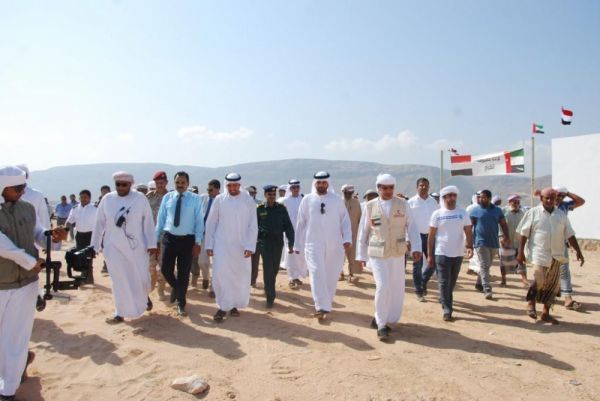
In a related development, the sources confirmed that the Governor of Socotra, Raafat Al-Thaqali, held a meeting today with a number of local notables and tribal sheikhs in the governorate. Reports stated that during the meeting, financial sums amounting to 1,000 UAE dirhams were distributed to each individual, with the aim of mobilizing support for a mass event under the title “The Day of Loyalty to the UAE,” scheduled to be held next Thursday.
Last Thursday, the Emirati Prime Company announced the termination of its services on Socotra Island, and a document bearing the company’s name circulated declaring the end of its operations. However, the mobilization under the banner of loyalty to the UAE raises many questions about the continued presence of Emiratis despite the official announcement of withdrawal.
The UAE has controlled the Socotra Archipelago and dominated trade, services, and foreign access to the island since 2018. The island is considered one of the world’s most unique natural regions, home to rare plant species and globally renowned tourist sites.