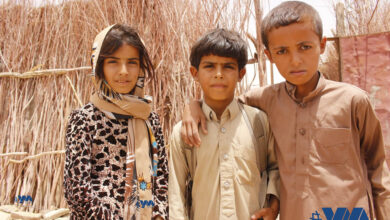
New UN Report Reveals Worsening Impact of Conflict on Women and Girls in Yemen

Yemen Monitor / Newsroom:
UN Women in Yemen announced on Tuesday the release of the 2025 Qualitative Analysis Report, a comprehensive study that provides an in-depth examination of the impact of the ongoing conflict on women, men, girls, and boys across 12 Yemeni governorates. The report is based on extensive field data and in-depth interviews with diverse groups.
The launch of the report coincides with the start of the 16 Days of Activism against Gender-Based Violence campaign, which runs annually from November 25, the International Day for the Elimination of Violence against Women, until December 10, Human Rights Day.
UN Women emphasized that this analytical documentation goes beyond the scope of the campaign and aims to support policies and humanitarian and development interventions that are more responsive to the needs of women and girls.
Ms. Dina Zorba, Representative of UN Women in Yemen, stated: “As the 16 Days of Activism against Gender-Based Violence begins, this report reminds us that real progress requires sustained, evidence-based efforts, enabling women to continue leading their communities and strengthening systems that support their participation… This is fundamental to the future of the country.”
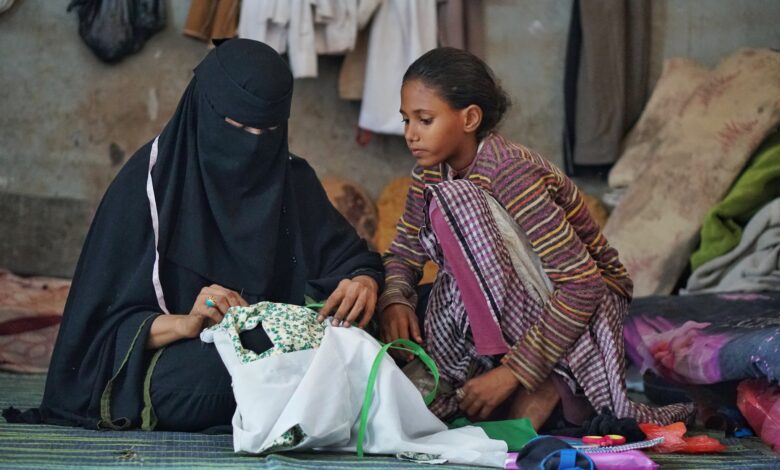
The report, based on household surveys, focus group discussions, and safety assessments, reveals a widening inequality gap due to the conflict, particularly for displaced women and girls who face interconnected challenges related to safety, access to essential services, employment opportunities, and public participation.
The analysis also highlights increasing economic insecurity, rising levels of violence against women, and the growing marginalization of the most vulnerable groups, such as female-headed households and women with disabilities. Conversely, it points to the pivotal role played by local women’s organizations despite severe funding shortages, social restrictions, and movement constraints.
The report calls for strengthening social protection systems, expanding economic opportunities for women, and enacting reforms that involve women in decision-making, in addition to providing sustained support to women’s organizations. It also emphasized the need to improve equitable access to humanitarian services, enhance health and education services, and develop interventions that address movement restrictions and discriminatory social norms.
UN Women in Yemen reiterated its call to humanitarian and development partners, as well as government entities, to utilize the report’s recommendations when designing and implementing programs. This ensures that urgent needs are met and long-term priorities are advanced toward achieving gender equality and empowering women and girls in Yemen.