Yemen Monitor / Hudaidah / Special Report:
A recent policy paper released by “MASAR Peace Initiative,” titled “Prospects for Peace in Hudaidah” reveals that the Stockholm Agreement, signed in December 2018, has failed to establish genuine peace in the strategic governorate of Hudaidah. Instead, it has become a tool for “consolidating Houthi control” over the provincial capital and its vital ports, allowing the group to expand its security, military, and economic influence at the expense of the state and local community.
Hudaidah, situated on the Red Sea near Bab al-Mandab Strait, is Yemen’s second most populous governorate, home to 3–4 million people. It is also the country’s lifeline, with about 70% of humanitarian and commercial imports entering through its ports.
Consolidating control through repression and port revenues
The paper, authored by journalist and human rights activist Basim Janani, states that the ceasefire period became a stage for “systematic repression” by the Houthis, who exploited the truce to entrench their intelligence and security grip, imposing a suffocating police-state reality. Key indicators include:
- Extrajudicial executions: In September 2021, the group executed nine Hudaidi residents in public, in what observers described as a “show trial managed at gunpoint,” in retaliation for the killing of its former political council head, Saleh al-Sammad.
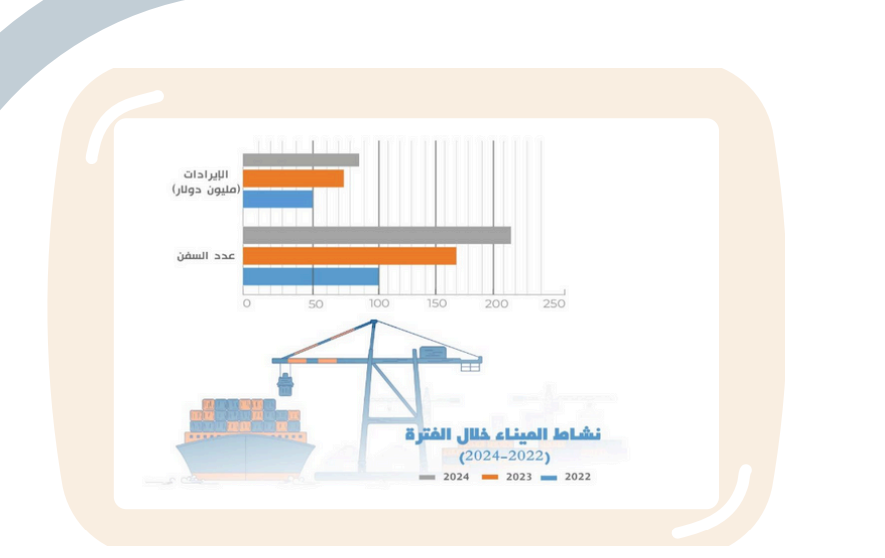
- Exploiting resources to fund the war: Although the Stockholm Agreement stipulated that port revenues be deposited into the central bank to pay civil servant salaries, the Houthis diverted them to finance their war effort. In 2022 alone, the group collected over 100 billion Yemeni rials (about $170 million) from Hudaidah port revenues, channeling the funds into military operations and strengthening its security apparatus.
- Humanitarian catastrophe: Hudaidah is suffering one of Yemen’s worst humanitarian crises, with over 80% of the population below the poverty line. Essential services—including electricity, water networks, and sewage systems—have deteriorated sharply, despite the governorate hosting three of Yemen’s most important ports: Hudaidah, As-Salif, and Ras Isa.

Repercussions of military withdrawals and the humanitarian truce
The paper highlights that subsequent military and diplomatic moves further boosted Houthi leverage:
- The “Confusing” withdrawal: In November 2021, the “Joint Forces” backed by the Arab coalition abruptly carried out a “redeployment” along the western coast, withdrawing from strategic areas on orders from coalition leadership. Military analysts described this retreat as a “free handover of territory” that disrupted battlefield balances and handed the Houthis a “golden opportunity” to re-deploy without combat costs.
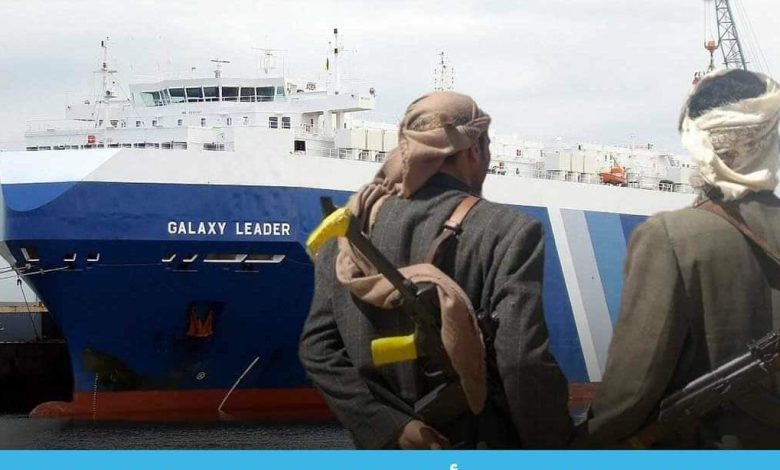
- The truce as a “support window”: The April 2022 humanitarian truce succeeded in calming battlefronts, but it also allowed more ships into Hudaidah ports. The Houthis used the lull in fighting to reposition militarily and reinforce their naval and intelligence capabilities, later escalating threats to Red Sea navigation.
Landmines: The Houthis’ silent weapon
Landmines and sea mines planted by the Houthis remain a catastrophic threat to civilian life, particularly along the coastal strip. They have caused heavy casualties, disrupted farming, and displaced hundreds of families. The paper notes:
- The Saudi-funded MASAM Project for mine clearance announced it had removed 48,705 mines and unexploded ordnance across Yemen in 2024 alone, thousands of them in Hudaidah and the western coast.
- Despite efforts by MASAM and Yemen’s National Mine Action Program, these measures remain “insufficient in the face of the scale of the disaster,” with calls for stronger international action and better coordination among demining agencies.
Revitalizing the UN mission’s role
The paper stresses that achieving peace in Hudaidah requires a “comprehensive developmental approach” that treats security and development as inseparable pillars. It calls for a review of the current management of Hudaidah port, proposing a civilian administration agreed upon by local stakeholders, with part of the revenues allocated to civil servant salaries and essential services.
It also urges a stronger role for the United Nations Mission to Support the Hudaidah Agreement (UNMHA), including:
- Enforcing accountability under Chapter VII of the UN Charter by imposing punitive measures against those obstructing peace.
- Involving local political and community actors in designing and implementing all aspects of the agreement—military, administrative, security, and economic.
Leading mine-clearance efforts, particularly in coastal and agricultural areas.