Yemen Monitor / Newsroom:
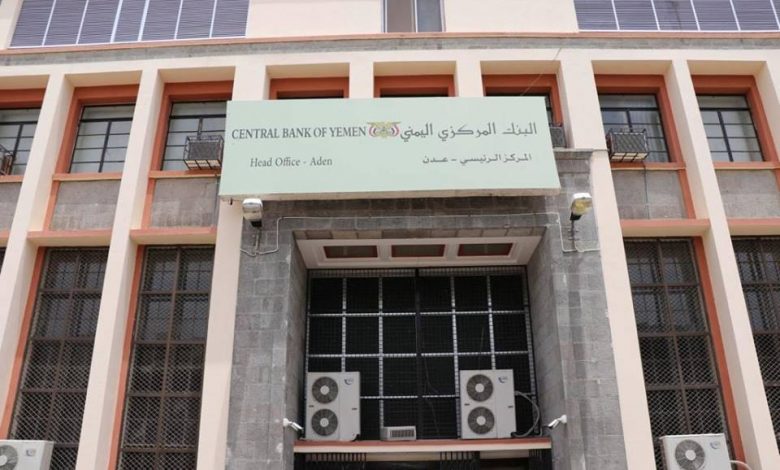
Yemen’s Central Bank Governor, Ahmed Ghaleb, confirmed the completion of relocating the country’s banking system to the interim capital, Aden, as part of broader efforts to stabilize the currency and regulate the financial market. He noted that recent measures taken against currency speculators have led to a significant improvement in the rial’s exchange rate.
Ghaleb’s remarks came during a briefing to the Cabinet at its Wednesday session in Aden, chaired by Acting Prime Minister and Minister of Finance Salem bin Brik. The meeting focused on national and regional developments, as well as mounting economic, financial, and service-related challenges.
The governor stated that the Central Bank is on the verge of launching a unified financial network in its new format, led by Yemeni banks, alongside the implementation of modern payment systems designed to enhance oversight and banking sector management.
He revealed that dozens of non-compliant exchange firms had been shut down and that the Import Financing and Regulation Committee had been reactivated as part of a broader reform package.
The biannual report presented to the Cabinet covered key financial performance indicators and current monetary policies for the first half of 2025. It also included proposals to address structural imbalances—particularly in revenue collection mechanisms and fund transfers to the government’s general account. The report stressed the urgency of implementing agreed-upon reforms with donors and improving coordination between the Central Bank and Ministry of Finance to align fiscal and monetary policies.
The Cabinet expressed full support for the Central Bank’s efforts and emphasized the importance of continuing and monitoring the implementation of these reforms to ensure monetary stability. It also called for translating improvements in the exchange rate into lower prices for essential goods and better living conditions for citizens.
The Cabinet directed relevant ministries and oversight bodies to intensify market supervision and activate rapid response mechanisms to curb any attempts to manipulate basic commodity prices.
It also emphasized the need for security and judicial authorities to support the Central Bank in combating illegal financial activities.
In conclusion, the Cabinet asserted that these measures are part of a broader national response to what it described as the “economic war” waged by the Houthi group. It called for continued efforts to ease citizens’ hardships and reprioritize resources in line with current challenges.