Yemen Monitor – Newsroom:
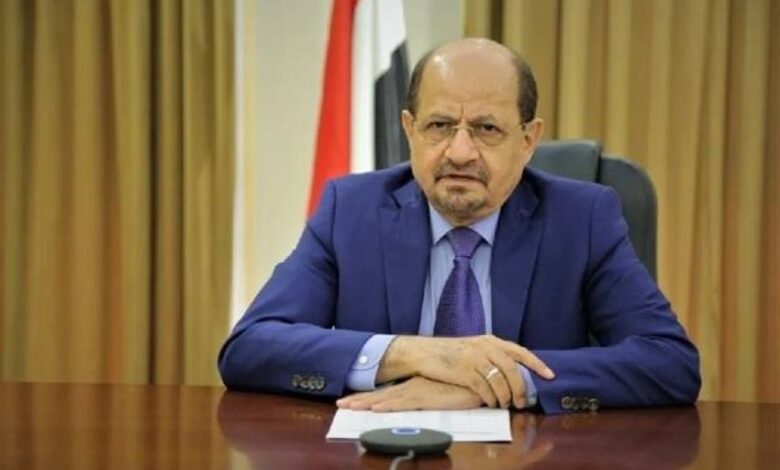
The Prime Minister of Yemen’s new government and Minister of Foreign Affairs and Expatriates, Dr. Shayea Mohsen Al-Zindani, announced the formation and launch of a coordination committee comprising oversight, judicial, and security bodies. He also confirmed the completion of the National Anti-Corruption Plan, which is now awaiting formal approval.
The Prime Minister stressed that this step falls within a comprehensive government program aimed at transitioning from “crisis management” to “sustainable recovery.” This transition includes restoring financial and monetary stability and improving public resource management in line with transparent international standards that ensure integrity and accountability.
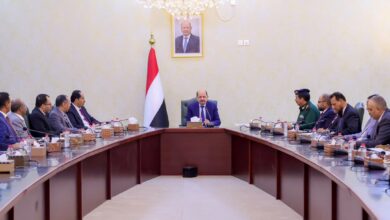
Dr. Al-Zindani made these remarks on Wednesday during a speech delivered via video conference at a meeting of the “Yemen Partners” group, attended by representatives from several countries, United Nations organizations, and donor agencies.
Key Highlights of the Prime Minister’s Address:
Institutional Reform:
The government is currently in a critical phase of restructuring political and military institutions and unifying national decision-making under clear institutional frameworks.
Ending Fragmentation:
Recent developments and decisions by the Presidential Leadership Council (PLC) have contributed to ending institutional fragmentation, paving the way for a more cohesive and inclusive technocratic government.
Commitment to Peace:
The government reaffirmed its commitment to supporting UN-led and international efforts to achieve a comprehensive political settlement to end the war, alongside continuing counterterrorism efforts and strengthening the rule of law.
International Support:
Al-Zindani praised what he described as the “exceptional support” provided by the Coalition to Support Legitimacy, led by Saudi Arabia, highlighting its key role in stabilizing the national currency, paying public sector salaries, and ensuring basic services. He also expressed appreciation for the developmental and technical assistance provided by the United Kingdom, the European Union, and the World Bank.