Yemen Monitor / Newsroom:
Dr. Qasim Buhaibeh, the Yemeni Minister of Health, revealed significant challenges facing the country’s health sector due to the aggravation of health and climate crises, amidst a scarcity of financial resources and weak international support.
In an exclusive interview with the German News Agency (DPA), the health official explained that Yemen is suffering from immense difficulties in providing essential medical services to the population, despite the efforts made with the support of donors and international partners.
Buhaibeh pointed out that German support has been a crucial factor in maintaining the continuity of work in health institutions and preventing their complete collapse, stressing the importance of preserving the gains achieved in this vital sector.
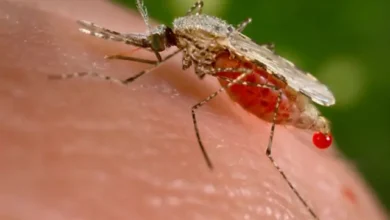
The Minister addressed the health challenges resulting from the outbreak of epidemics such as malaria, dengue fever, and diarrheal diseases, in addition to climate risks represented by hurricanes and floods, which necessitates strengthening monitoring and emergency response systems.
He emphasized the necessity of continued external support and finding innovative local financing solutions to ensure the continued operation of health facilities, the maintenance of supply chains for medicines and medical supplies, and the achievement of universal health coverage.
Buhaibeh revealed the destructive effects of the war on the health infrastructure, where 40% of medical facilities have been partially or completely disabled, especially in rural areas which contain 60% of the population and lack basic services.
He warned of the consequences of reduced international support, stressing that it would lead to the stoppage of major hospitals and primary care centers, exacerbating the suffering of the population, especially in remote areas.
It is noteworthy that previous UN reports have warned of the deteriorating humanitarian conditions in Yemen, where most of the population needs urgent medical assistance, amidst a severe funding shortage that has affected all aspects of life.