Director of Anti-Narcotics in Al-Jawf: Houthi Leaders Compete to Flood the Governorate with Drugs and Entrap Women and Children in Smuggling

Yemen Monitor/Marib/Exclusive:
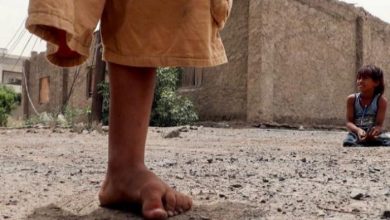
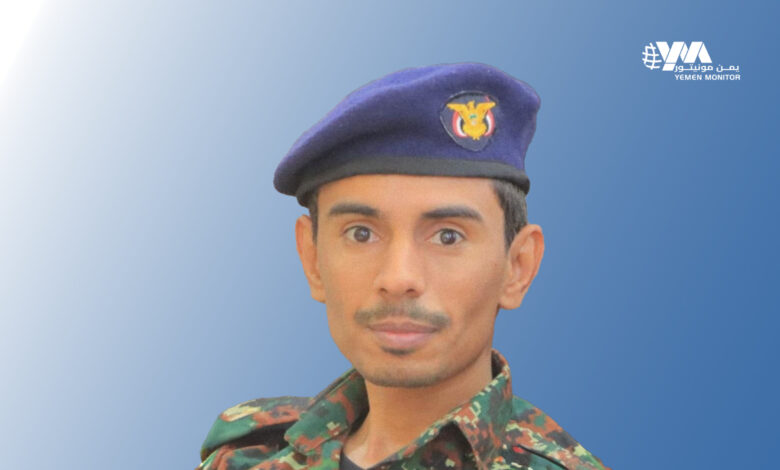
Lieutenant Colonel Abdulaziz Hadi Abdullah, Director of the Anti-Narcotics Department in Al-Jawf Governorate (northeast Yemen), revealed a dangerous and unprecedented phenomenon occurring in the governorate: the entrapment of women and children in the smuggling of hashish and other drugs. This development is considered an “unusual crime and a major threat to the society in Al-Jawf,” occurring under the control and facilitation of the Houthi group.
Abdullah stated in a declaration to “Yemen Monitor” that the deteriorating living conditions of citizens, lack of income, and economic stagnation have motivated women and children to engage in this smuggling, which has become an easy means for quick enrichment and profit.
He noted that the drug trade has turned into a primary source of funding and blatant, excessive wealth for the group’s leaders, which has encouraged others, including women and children, to become involved.
Abdulaziz Hadi Abdullah disclosed a significant competition among Houthi leaders in Al-Jawf over this trade and the formation of smuggling gangs, making smuggling their “primary occupation.” As a result of this competition, the release of arrested smugglers has become public, depending on the strength of the mediation and the Houthi faction the smuggler works for.
The Anti-Narcotics Director pointed out that the governorate is currently being flooded with all types of drugs, which are now being sold openly in homes. He specifically noted a widespread distribution of Captagon pills, known locally as “Haboub Al-Sarfa”.
He confirmed that Al-Jawf is still being used as a key storage and distribution area along the smuggling route that extends toward Al-Mahra, Al-Khash’ah, Al-Abr, Al-Jawf desert, and up to Sa’dah and border areas.
The Anti-Narcotics Director held the Houthi group responsible, asserting that since the completion of their control over the districts of Al-Hazm, Al-Ghail, and Al-Maslub in early 2020, the group has worked to recruit a number of people from these areas to trade drugs directly or indirectly.
Abdullah confirmed that his department has documented Houthi military patrols openly smuggling hashish and drugs, which has led many to participate in this destructive scourge that harms society. The Director called on citizens to be aware of this scheme, which targets the social fabric, values, and tribal customs in Al-Jawf and contributes to the spread of crime.
This information from the Director of Anti-Narcotics in Al-Jawf (a governorate whose control is shared between the legitimate government and the Houthis, with the latter controlling its center) is a serious indicator of new dimensions in the Houthis’ illicit trade that go beyond the military aspect.
What the Director revealed corroborates previous international reports indicating the Houthi group’s reliance on illegal funding sources, including drugs, to compensate for resource shortages and increase the wealth of its leaders, especially following international pressure and the tightening of constraints on some of their other resources. This funding enables the group to continue fighting and enhance its influence.