Yemen Monitor/ Sana’a-Aden/ Exclusive:
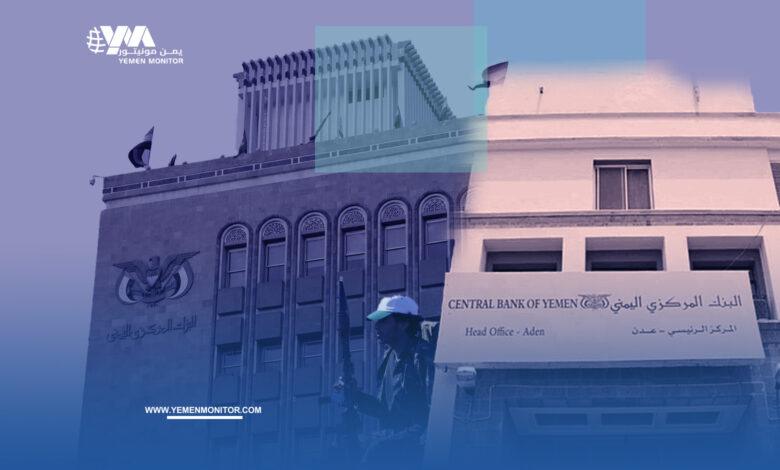
On Tuesday, the armed Houthi group issued a new 200-rial banknote just days after minting a 50-rial coin. In response, the internationally recognized Central Bank of Yemen warned of a “militia frenzy” and impending sanctions for those who trade in the new currency.
The Houthi-controlled branch of the Central Bank in Sana’a stated that the new currency would begin circulation tomorrow, Wednesday, alongside recently introduced metal denominations. The aim, they claimed, is to address the issue of damaged small-denomination banknotes, particularly those of 250 rials and below.
Central Bank of Yemen’s Strong Condemnation
Meanwhile, the internationally recognized Central Bank in Aden issued a strong statement:
“These militias have been struck by a frenzy, and their hysterical actions have intensified to cover their exposure through illicit and illegal means, fearing an imminent and inevitable collapse of these networks. This is a desperate and futile attempt to avert a popular uprising by a people whose savings have been plundered and resources destroyed.”
The Central Bank further added that the Houthis’ new currencies are: “an attempt to continue their blatant plundering of capital and citizens’ savings, and part of their efforts to finance their fictitious networks, which are now operating with significant exposure, without monetary or legal cover, amounting to trillions of local currency rials and billions of foreign currency dollars.”
Warnings of Sanctions and Legal Repercussions
The Central Bank reiterated its warning “to all citizens, financial and economic institutions, banks, and exchange companies, against dealing with any forged currencies of any denomination issued by an illegal terrorist entity, or accepting them in any financial settlements of any kind, in order to preserve their money and what remains of their savings, and to avoid falling under the scope of sanctions for dealing with an entity listed on global terrorism lists.”
The bank further cautioned that “whoever possesses, deals with, or carries any denomination of the forged currencies will be subject to the maximum penalties stipulated in all relevant laws.”
What are the actual repercussions of this decision?
The implications of the Houthis’ decision to issue new currency are significant and multifaceted:
- Further Economic Fragmentation: This move deepens the existing economic divide in Yemen, creating two distinct monetary systems within the country. This complicates trade, banking, and daily transactions for citizens, exacerbating an already dire humanitarian crisis.
- Loss of Public Trust: The issuance of new, unrecognized currency will likely erode public trust in both the Houthi-controlled financial system and potentially even the stability of the Yemeni rial as a whole.
- Increased Inflation: Introducing new unbacked currency into circulation can lead to hyperinflation, further devaluing the existing currency and reducing the purchasing power of ordinary citizens.
- International Isolation and Sanctions: As the Central Bank in Aden warned, entities dealing with the Houthi-issued currency risk facing international sanctions, especially given the Houthis’ designation as a terrorist organization by the US. This could sever financial lifelines and further isolate Houthi-controlled areas from the global financial system.
- Disruption of Humanitarian Aid: The economic chaos and sanctions could complicate the delivery of much-needed humanitarian aid, as international organizations may face challenges in operating within areas using the unrecognized currency.
- Deepening of Political Divide: The currency dispute is not merely economic; it is a clear political statement by the Houthis to assert their control and undermine the authority of the internationally recognized government, further entrenching the conflict.
This move by the Houthis appears to be a desperate attempt to shore up their finances and cover financial shortfalls, but it risks plunging the Yemeni economy into deeper instability and further isolating their areas of control from the rest of the world.