Taiz Governor Directs Implementation of Emergency Plan to Combat Epidemic Outbreaks in the Governorate

Yemen Monitor / Newsroom:
The Governor of Taiz, Nabil Shamsan, on Saturday instructed relevant authorities to swiftly implement the emergency response plan to combat the outbreak of epidemics currently affecting the governorate, including cholera, dengue fever, and malaria.
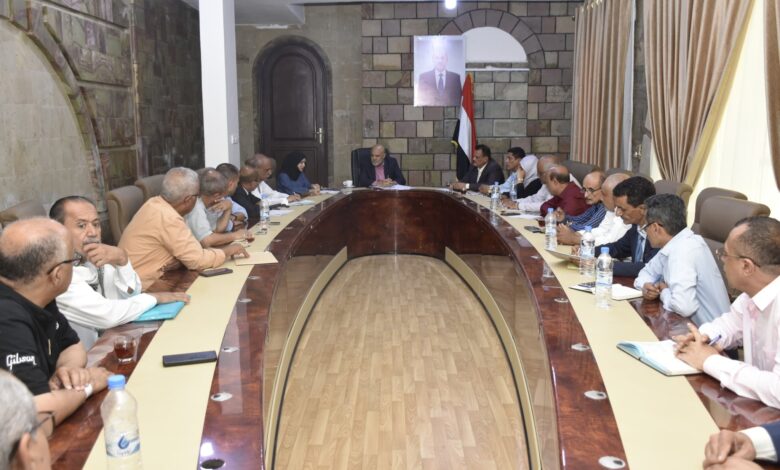
This directive came during an expanded meeting chaired by the governor, which was attended by health sector leaders, district directors, and several officials from relevant executive offices, to discuss urgent measures needed to contain the deteriorating health situation.
Shamsan emphasized the importance of expediting the implementation of the recommendations included in the response plan, activating effective intervention tools through specialized field teams, and continuing coordination and integration between various entities to ensure tangible results on the ground.
During the meeting, Dr. Yassin Al-Shuraihi, Director of the Epidemiological Surveillance Department at the Health Office, presented a detailed report on the current epidemiological situation. He revealed that 1,264 cases of acute watery diarrhea, suspected to be cholera, have been recorded, along with 1,475 cases of dengue fever, and 18,832 cases of malaria since the beginning of 2025.
Meanwhile, Deputy Governor for Health Affairs, Elan Abdul Haq, stressed the need to raise the preparedness level of health and environmental facilities and to activate emergency plans at all levels, while providing continuous technical and logistical support for medical personnel.
She also emphasized the importance of strict monitoring of restaurants to ensure compliance with preventive health measures.
For his part, the Director of the Health Office in the governorate, Abdulrahman Al-Saberi, called for strengthening field surveillance of epidemic cases and providing necessary support to medical teams. He highlighted the importance of expanding partnerships with local and international organizations to secure medical and pharmaceutical supplies.
The meeting approved an action plan that includes launching a wide fog-spraying campaign targeting the most affected districts and areas, enhancing health and environmental monitoring, combating sources of water contamination, and improving sewage networks.
The plan also stressed the need to intensify community awareness campaigns and provide essential medications and supplies to diarrhea and cholera treatment centers, in order to break the cycle of epidemic spread and protect the population, especially in the most vulnerable neighborhoods and areas.