Yemen Monitor / Newsroom:
The Yemeni Ministry of Transport has prohibited travelers departing for Saudi Arabia from carrying a list of goods, most notably cigarettes and honey.
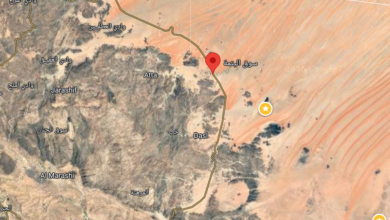
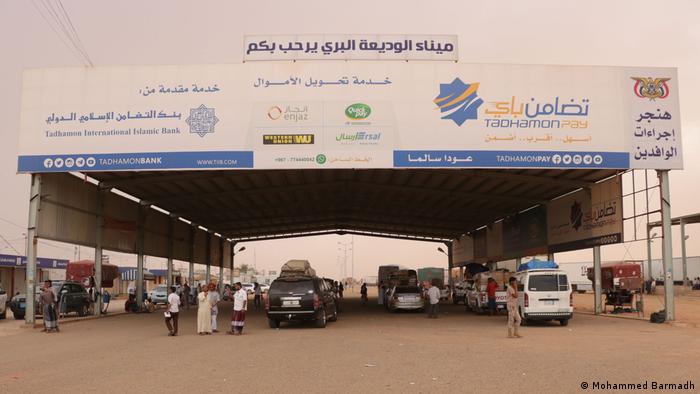
Yemen Monitor obtained a document issued by the Al-Wadeeah land port in Hadramawt Governorate, dated July 22—the sole Yemeni border crossing with Saudi Arabia—strictly forbidding the entry of several materials and goods, based on a circular issued by the Yemeni Ministry of Transport represented by the General Land Transport Regulatory Authority.
According to the document, the circular was issued in direct coordination with the competent authorities on the Saudi side, in a step aimed at facilitating transit procedures and reducing delays for travelers at border crossings.
The management of Al-Wadeeah port emphasized a complete ban on cigarettes and all types of tombak (tobacco), dried meat and fish (Lakhm), honey, as well as various types of food items, confirming that these measures come within the framework of adherence to regulations and instructions governing the movement of travelers between the two countries.
The port management instructed the directors of customs and the Nation’s Shield Forces to strictly comply with the contents of the circular and execute instructions without exception, holding the concerned entities fully responsible for any shortcomings or violations that might affect workflow or hinder the smooth flow of transit.
On the other hand, the decision sparked widespread discussion in economic and social circles, as several traders and consumers called for a balance between enforcing regulations and inspection procedures at the crossings, and maintaining the stability of local markets and meeting citizens’ needs, especially under difficult economic conditions.
Economic observers pointed out that the availability of these goods in local markets contributes to increasing supply and helping stabilize prices, warning that any shortage in their flow could lead to price increases for some essential goods, compounding the living burdens on citizens, particularly low-income earners.
Public circles also expressed hope for the adoption of modern and rapid inspection mechanisms that ensure compliance with regulations and instructions while simultaneously helping accelerate transit procedures and reduce waiting times for travelers, while maintaining the smooth flow of goods and market stability.