Triple Crisis Strangles Aden: Power Outages, Water Shortages, and Gas Scarcity
By/ Ameed Al-Mahyubi

Yemen Monitor / Reports Unit:
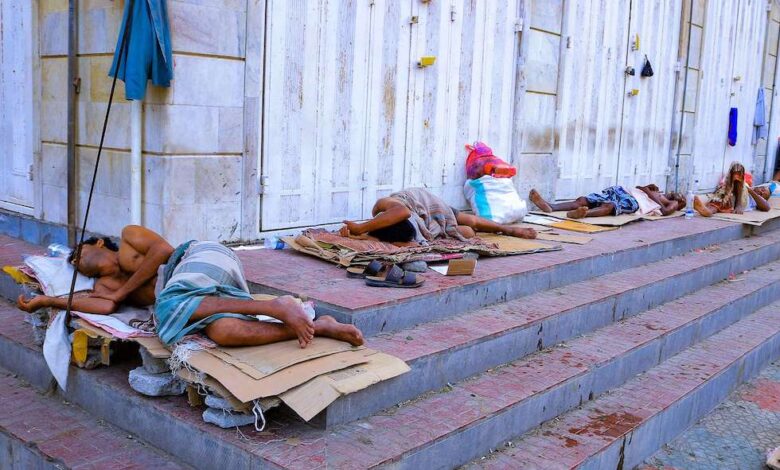
The city of Aden, Yemen’s temporary capital, is experiencing one of its most severe service crises in recent years, as simultaneous shortages of electricity, water, and household cooking gas worsen amid soaring temperatures and a continued decline in basic public services.
With the arrival of summer and temperatures reaching high levels, hundreds of thousands of residents find themselves facing daily long power outages, increasing water scarcity, and difficulty obtaining domestic gas, which multiplies living burdens and threatens health and humanitarian conditions in the city, amid escalating popular calls for government authorities to urgently intervene and find sustainable solutions to these intertwined crises.
Scorching Summer in a City Without Electricity
The electricity crisis remains the most pressing burden on Aden’s residents. During the current heat wave, temperatures have approached 40°C (104°F), while daily blackouts in some neighborhoods exceed 12 hours.
Although the Kingdom of Saudi Arabia announced on May 31 a new $150 million fuel grant for Yemen, residents say they have yet to see any tangible improvement in electricity service. Long outages continue to affect nearly every aspect of daily life.
The consequences extend beyond the loss of lighting and air conditioning. The crisis directly impacts healthcare, household living conditions, and vulnerable groups, particularly children, the elderly, and people with medical conditions. It has also contributed to heat-related illnesses associated with high temperatures and humidity.
In the absence of electricity, some residents resort to solar energy systems as an emergency alternative. However, their high cost makes them unaffordable for a wide segment of citizens, in addition to the risks associated with certain types of batteries that have caused fire incidents inside homes recently.
The combination of extreme humidity and the inability of many households to afford adequate cooling has reportedly led to worsening health conditions and heat-related illnesses, with local reports of deaths associated with the heat wave.
Urgent Appeal from Residents
Journalist Bushra Naseer, an Aden resident, told Yemen Monitor that electricity has become a “daily dream” for families who wait anxiously for power to return long enough to operate fans and cooling devices before another prolonged outage begins.
She added that streets and shopping centers have become refuges for families seeking relief from the heat, particularly elderly residents who can no longer tolerate indoor temperatures.
According to Naseer, the shutdown of the President Power Plant due to fuel shortages and the inability of Aden’s electricity sector to secure sufficient fuel supplies have significantly worsened conditions. She described the absence of sustainable government solutions as having pushed the city into a situation that is “catastrophic by every standard.”
She called on the government, local authorities, and the Arab Coalition to intervene urgently to address the crisis and prevent further deterioration.
Residents also report increasing cases of fever, viral infections, and skin diseases, particularly among children.
Attempts by Yemen Monitor to obtain comments from Aden’s Electricity Corporation regarding the causes of the crisis and possible solutions were unsuccessful, as the corporation’s director refused to provide a statement.
Water Shortages and Long Waits
Aden’s water crisis is closely linked to its electricity problems. Many residents complain of irregular water supplies and are often forced to purchase water from private tanker trucks or bottled drinking water at prices beyond their financial means.
Some neighborhoods receive water only after long waiting periods, prompting residents to rely on charitable water stations or collect water from local mosques, particularly in the Al-Qaloua and Al-Kassara areas of Crater District.
As complaints continue to grow regarding uneven water distribution among Aden’s districts, questions have intensified about the underlying causes and operational challenges facing the city’s water sector.
Water Authority Explains the Situation
Engineer Mohammed Bakhabira, Director of Aden’s Local Water and Sanitation Corporation, told Yemen Monitor that some complaints stem from differences in water distribution schedules among districts.
He explained that Crater District receives water through a daily pumping schedule interrupted by one day of suspension, while Al-Mualla receives water approximately every four days.
Some areas depend on community-operated pumps that are directly affected by power outages, he said, noting that the water authority has operated under exceptional conditions due to the prolonged energy crisis.
Bakhabira emphasized that water and sanitation systems rely heavily on generators and dozens of pumping stations throughout the city. He added that the main water fields at Bir Ahmed and Bir Nasser continue to operate relatively steadily.
Districts such as Al-Mansoura, Sheikh Othman, Dar Saad, and Madinat Al-Shaab reportedly receive water daily, while elevated neighborhoods in Al-Tawahi, Al-Mualla, Crater, Khormaksar, and Al-Buraiqa face additional challenges because of their geography.
He stated that the authority is addressing complaints within available resources and working to prevent major disruptions to water and sanitation services.
Gas Shortages Add a Third Layer of Hardship
Residents’ struggles do not end with electricity and water. Obtaining household cooking gas has become another daily challenge, often requiring hours of waiting at filling stations.
Long queues of residents and drivers of gas-powered vehicles have become common throughout the city amid complaints of limited supplies and rising prices at some commercial outlets.
The official price for a gas cylinder at government stations and authorized distributors is approximately 9,000 Yemeni rials, but prices are reportedly higher at some private vendors, increasing financial pressure on low-income families and daily wage earners.
Observers attribute the crisis to several factors, including distribution problems and alleged manipulation of Aden’s allocated gas share.
Although the Yemen Gas Company announced in March that it had increased Aden’s weekly allocation from 32 to 65 gas trailers to improve supply levels, shortages continue in many districts.
Daily Struggles Under the Sun
In Salah Al-Din neighborhood in Al-Buraiqa District, residents stand for hours under the scorching sun holding empty gas cylinders, hoping to secure their daily allocation.
Tariq Al-Waleedi, a public transportation driver, said that searching for gas has become part of his daily routine. Hours spent waiting in lines were once working hours that provided income for his family.
He noted that growing dependence on gas as an alternative fuel means that any disruption in supply immediately affects transportation and mobility throughout the city.
Nearby, resident Ahmed Saleh waits with an empty cylinder for his turn. He said the gas crisis has become a normal part of everyday life and has even affected families’ ability to prepare meals regularly.
Interconnected Crises and Growing Public Anger
Testimonies from citizens and officials reveal that the electricity, water, and gas crises are not separate crises, but interconnected links feeding into each other, starting with the fuel crisis affecting the operation of power plants, with its effects extending to the water sector and other services.
Yemen Monitor attempted to contact officials from both the electricity and gas sectors for explanations regarding the causes of the crises and potential solutions. However, those efforts did not result in official responses, either because officials declined to comment or did not respond to requests.
As services continue to deteriorate and clear answers remain elusive, public frustration is growing. Increasing numbers of residents are calling for demonstrations and protests to demand improved services and an end to the daily hardships facing Aden’s population.