Yemen Monitor / Monitoring / Exclusive:
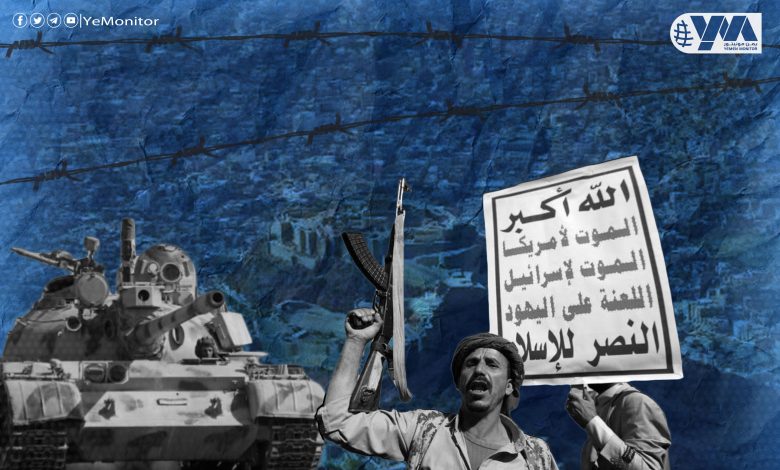
Areas under the control of the Houthi group have witnessed a series of security incidents and clashes between citizens and group members over the past ten days. These confrontations have resulted in the deaths of high-ranking Houthi security leaders and personnel across several Yemeni provinces.
Escalation in Al-Mahwit and Sana’a
During the first four days of the current month of Ramadan, the Commander of the Central Security Forces in Al-Mahwit and the Director of Criminal Investigation in the Bani Al-Harith district of Sana’a were killed in two separate incidents.
- Al-Mahwit (Western Yemen): On February 19, the Houthi security leader Mujalli Askar Fakhruddin (Abu Jalal), the appointed Commander of Central Security in the province, was killed. Clashes broke out in the Bani Al-Jalabi sub-district of the Ar Rujum District between a Houthi security campaign and local residents. The confrontations resulted in the injury of three citizens and a 12-year-old child, the arrest of dozens of residents, and a multi-day siege on the area.
- Sana’a City: On Saturday, February 21, clashes erupted between a security campaign led by Mohammad Al-Mwallad, the appointed Director of Criminal Investigation in Bani Al-Harith, and armed citizens. The engagement led to Al- Mwallad ‘s death and the injury of two of his soldiers. On the civilian side, Ahmed Al-Asal was killed and several of his relatives were arrested. This follows the earlier killing of another citizen, Sultan Hamid Al-Marhabi.
Tribal Friction and Urban Resistance
The unrest extended to other key provinces, driven by both tribal disputes and civil resistance:
- Al-Jawf: On the first day of Ramadan (February 18), seven people were killed and three others injured in tribal clashes sparked by old vendettas. Local activists accused Houthi security apparatuses of negligence, claiming that a timely intervention could have limited the casualties and contained the fighting.
- Al-Bayda (Central Yemen): On February 14, the Al-Hufra neighborhood in the city of Rada’a witnessed confrontations after a citizen, Abdullah Hassan Al-Halimi, demanded the arrest of those accused of killing his father. When local residents went on strike in solidarity, the Houthis mobilized security forces and besieged the area. Clashes ensued, resulting in the death of Al-Halimi.
These events reflect a mounting state of tension and congestion within Houthi-controlled territories. The frequency of direct confrontations between the population and security elements raises questions about the increasing boldness of citizens to challenge the group.
This widening scope of local resistance comes amid unprecedentedly complex living and humanitarian conditions, suggesting that the “barrier of fear” may be eroding as the economic crisis deepens.