Yemen Monitor / Marib / Newsroom:
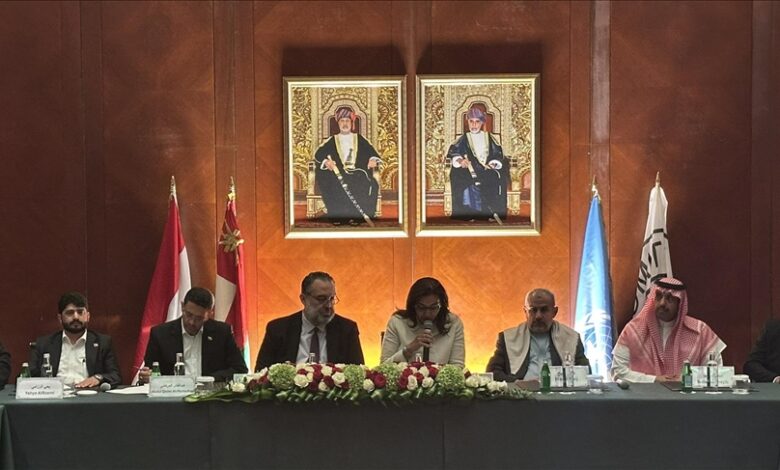
Sheikh Hassan Al-Qubaisi, a member of the government’s negotiating delegation, said that procedures to implement the Muscat Agreement on the exchange of prisoners are still ongoing despite their slow pace, stressing that hope for completing the agreement “still exists,” amid ongoing controversy over delays in finalizing the lists of prisoners included in the deal ahead of the scheduled implementation date.
In comments to Yemen Monitor regarding statements issued by the Houthi group, Al-Qubaisi explained that the government delegation has reviewed what is being circulated about the prisoner lists. However, he said they were asked not to make any media statements at this time in order to avoid entering into media disputes or verbal sparring that could negatively affect the course of the agreement, noting that work is continuing despite the challenges.
These remarks came after the head of the Houthi-affiliated Prisoners’ Affairs Committee, Abdulqader Al-Mortada, announced that the lists of prisoners and detainees covered by the Muscat Agreement have not yet been finalized, despite the approaching start date of implementation on January 27.
In a post on his account on the “X” platform, Al-Mortada said that the success of the agreement requires positive and responsible engagement from all parties, away from any obstacles or political calculations that could hinder implementation or strip the agreement of its humanitarian essence.
So far, no detailed official statement has been issued by the government negotiating delegation explaining the reasons behind the delay in finalizing the lists, at a time when questions are increasing about the readiness of the parties to implement the agreement on its announced date.
On December 23 of last year, the Yemeni government and the Houthi group announced that they had reached a new agreement to exchange approximately 2,900 prisoners and abductees, under United Nations auspices. The deal is expected to include prominent figures, most notably Yemeni politician Mohammed Qahtan, who is covered by UN Security Council Resolution 2216.