Executive Unit Director to Yemen Monitor: New Waves of Displaced Fleeing the Houthis Arrive in Taiz as International Organizations Withdraw

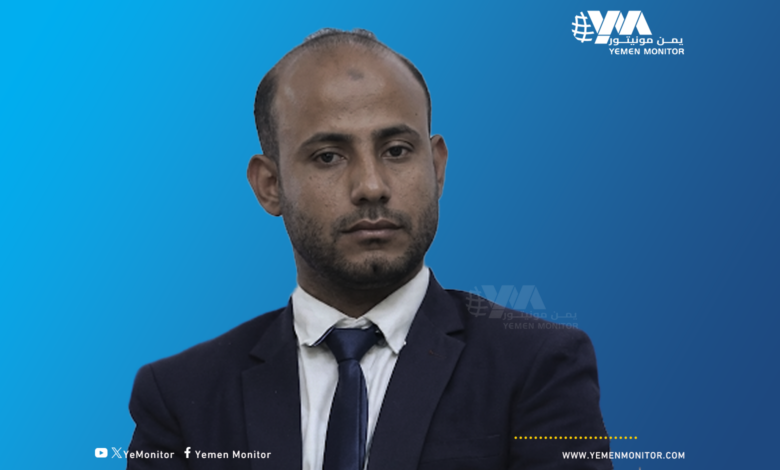
Yemen Monitor / Taiz / Exclusive:
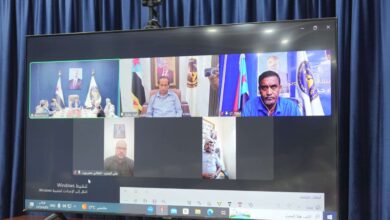
The Director-General of the Executive Unit for IDP Camp Management in Taiz governorate, Ali Qaed, revealed a newly observed and increasing wave of displacement during the second half of this year. Families have been flowing into liberated areas of the governorate, driven by security crackdowns carried out by the Houthi group and severe economic hardship.
In an exclusive statement to Yemen Monitor, the government official confirmed that the total number of displaced families in the governorate has reached nearly 65,000 households, at a time when humanitarian response efforts are witnessing a sharp decline.
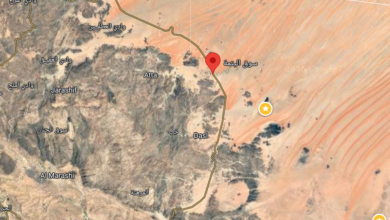
Qaed explained that recent months have seen a noticeable shift in displacement patterns, with a significant influx of families coming specifically from Ibb governorate and Mawiyah district (east of Taiz, under Houthi control).
He attributed this displacement to two main factors:
- “Security crackdowns and violations” committed by the Houthi group against civilians.
- Economic collapse in those areas.
He noted that most displaced people in Taiz originate from areas of the governorate still under Houthi control, as well as from the governorates of Hodeidah, Ibb, Amran, Sanaa, Dhamar, and Hajjah.
Regarding the consequences of this influx, Qaed warned that the new wave has placed extraordinary pressure on already fragile essential services in the host areas.
He told Yemen Monitor:
“This pressure has led to a tangible deterioration in water, health, and education services, worsening the suffering of both the host community and the displaced.”
He added that women, children, and people with disabilities are the most affected groups, suffering from severe psychological and social trauma that requires urgent medical intervention.
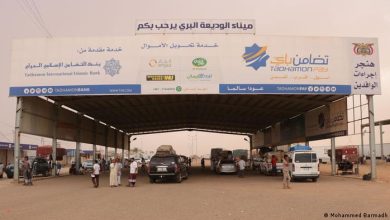
Concerning the level of international response, the government official revealed a major gap between needs and actual interventions, confirming a current weakness in emergency and shelter response due to limited financial support and the withdrawal of some international humanitarian organizations.
He also pointed to logistical challenges facing the Executive Unit in documenting the number of displaced families and reaching affected areas, noting that the Unit’s team is working on a voluntary basis amid a severe shortage of resources and capabilities.
Qaed concluded by stressing that strengthening the resilience of displaced families requires a comprehensive package of financial support, improved shelter, and job creation. He noted that voluntary return in the near future remains dependent on security stability. He called on the international community and donors to swiftly intervene to prevent the humanitarian situation in Taiz from spiraling out of control.
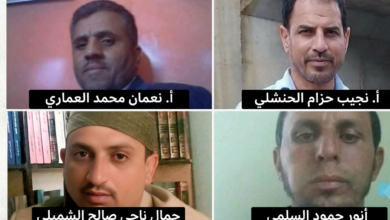
His remarks on displacement from Ibb and Mawiyah coincide with human rights reports documenting recent kidnapping campaigns and raids carried out by the armed group in those areas, forcing hundreds of families to flee toward government-controlled regions.