Yemen Monitor / Newsroom:
An investigative report revealed that Yemen loses between $100 million and $250 million annually due to the smuggling of minerals and gemstones, including iolite, agate, jade, cordierite, in addition to rare minerals like black sands used in advanced technological industries.
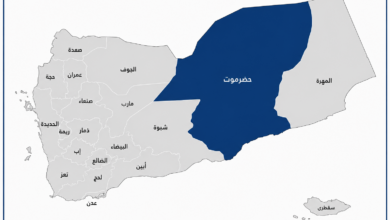
According to the investigation published by Al Jazeera Net, these stones are extracted using primitive methods in the governorates of Shabwah, Abyan, Lahij, and Al-Bayda. Hundreds of workers toil in harsh conditions for meager wages not exceeding $6 per day, while the shipments are sold for millions of dollars in international markets.
The investigation showed that organized smuggling networks, involving businessmen and tribal and political leaders, manage the extraction and smuggling operations away from state oversight, exploiting weak regulatory institutions and political division. The stones are transported in unlicensed trucks, hidden among shipments of livestock and vegetables, or through desert and coastal routes toward Sultanate of Oman. Other shipments pass through maritime and land ports such as Al-Wadiah and Sarfait.
Brokers and mine workers confirmed that the smuggling has been ongoing systematically for years, and the financial returns go into the pockets of influential figures, while the workers live in deprivation. One worker stated: “We extract stones that sell for millions of dollars, yet we only get scraps.”
Documents obtained by the investigators also revealed that Yemeni and foreign companies, including Chinese ones, have signed contracts to purchase large quantities of gemstones at extremely low prices, not exceeding $2,000 per ton, while their prices in global markets range between $600,000 and $1 million per ton.
Although the Yemeni Mines and Quarries Law stipulates that all mineral resources are the property of the state and cannot be disposed of except with official licenses, the investigation documented the complicity of officials and employees in granting permits or accepting financial settlements that violate the law. Legal experts indicated that these practices empty the laws of their content and turn them into a cover for smuggling.
Experts believe that this illegal trade feeds the “parallel economy” and deprives the state of crucial financial resources amid a crippling economic collapse. They assert that the smuggling of natural resources contributes to the protraction of the war and strengthens the influence of local and foreign interest networks that are draining the country’s capabilities without any benefit to society.