Yemen Monitor / Newsroom:
Yemeni regions, particularly the governorates of Hudaidah and Hajjah, are experiencing a worrying surge in cases of acute watery diarrhea, amid warnings of a worsening humanitarian crisis in the country.
Medical data shows a 65% increase in the number of patients from September 7 compared to the previous week.
Hospitals in both governorates are under immense pressure. The Abs General Hospital in Hajjah has admitted over 400 cases since the beginning of this month, while the Al Qanawis Hospital in Hodeidah recorded an average of more than 21 weekly cases, a 50% increase from previous rates.
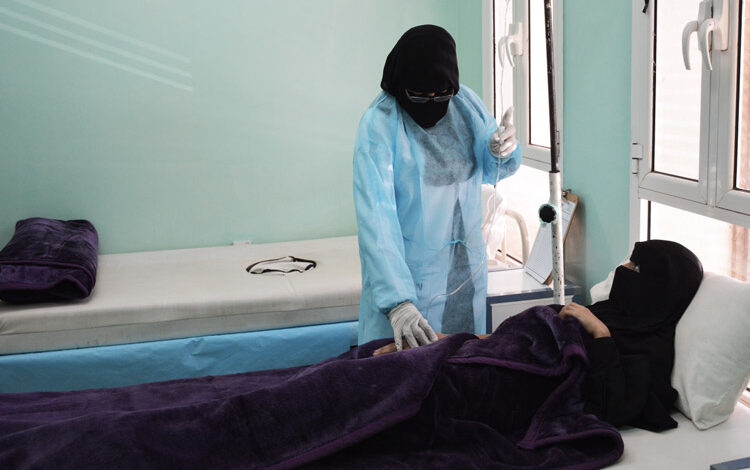
In response to this escalation, Médecins Sans Frontières (MSF), in collaboration with the Yemeni Ministry of Health, established a specialized diarrhea treatment center at Abs Hospital with a capacity of 50 beds, later expanded to 75. Another treatment unit was set up in Al Qanawis with 20 beds, which has admitted nearly 4,493 cases in both governorates since last July.
Aziz Harouna, MSF’s medical coordinator in Yemen, stated, “Our team faces critical cases daily, especially among children under five who suffer from serious complications like dehydration and malnutrition.” Harouna added that medical teams are working to enhance infection prevention measures at a time when the country is experiencing a sharp decline in humanitarian aid.
This outbreak is occurring amid a collapse of infrastructure and a lack of clean water services, with the situation worsened by recent heavy rains that have hit the region.
MSF’s awareness teams continue to conduct educational campaigns in hospitals and local communities to increase awareness about disease prevention methods. Simultaneously, the water and sanitation teams are working to ensure the availability of safe drinking water in health facilities while promoting hygiene standards to reduce the spread of the infection.
Acute watery diarrhea can be fatal within hours if not treated immediately, especially among children and the elderly, due to the body’s loss of essential fluids and salts.