Yemeni Prime Minister Launches “100-Day Plan” to Address Economic Collapse and Currency Devaluation

Yemen Monitor / Newsroom:
Yemeni Prime Minister Salem Saleh bin Buraik has announced the launch of an urgent “100-Day” government plan aimed at addressing the country’s worsening economic conditions and fulfilling essential state obligations, foremost among them the payment of public sector salaries. The announcement comes amid a severe economic crisis and an unprecedented collapse of the national currency.
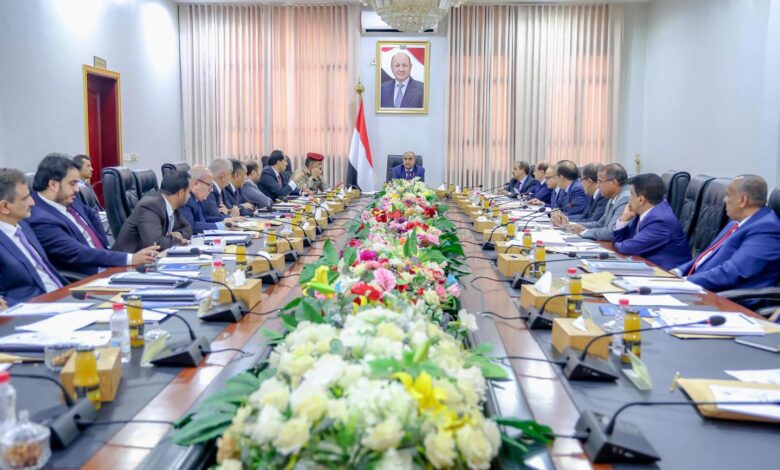
In a post on his official Facebook page, Bin Buraik said he chaired a regular Cabinet meeting today in the interim capital, Aden, where they discussed the latest developments in the economic and living conditions, and the urgent challenges facing the country—chief among them the rapid devaluation of the Yemeni rial.
The Prime Minister stressed that the “100-Day Plan” is a real test of the government’s seriousness and ability to take practical action, stating:
“We will not accept that plans remain ink on paper. Execution is the true measure of success, and every ministry is responsible for fulfilling its role in implementing the urgent priorities.”
Bin Buraik emphasized that the government will not stop at expressing sympathy with citizens’ suffering, but will work diligently to alleviate it. He stated that the success of this plan hinges on “collective will and sincere efforts” to restore the confidence of both the Yemeni people and the international community.
He added:
“The situation is difficult and the challenges are many, but we will not retreat from our national and moral responsibilities, and we will do everything in our power to meet the aspirations of our people.”
Rapid Currency Collapse and Lack of Monetary Stability
This announcement comes as the Yemeni rial continues to plunge rapidly in government-controlled areas, with no concrete economic solutions yet in place.
According to banking sources in Aden, the exchange rate has surpassed 2,712 Yemeni rials per US dollar, while the Saudi riyal stands at 688 rials for buying and 692 for selling.
In contrast, exchange rates remain relatively stable in Houthi-controlled areas, increasing the economic disparity between the two sides of the country and deepening the suffering of citizens in government-held regions—especially with rising prices and declining purchasing power.
The “100-Day Plan” reflects a government attempt to regain control over the country’s crippled economy, with observers noting that the plan’s success depends on the swift implementation of measures, availability of external support, and the resumption of oil exports.
Analysts warn that the failure of this plan could further erode public trust in the internationally recognized government and intensify public unrest caused by deteriorating living conditions and essential services.