Yemen Monitor / Newsroom:
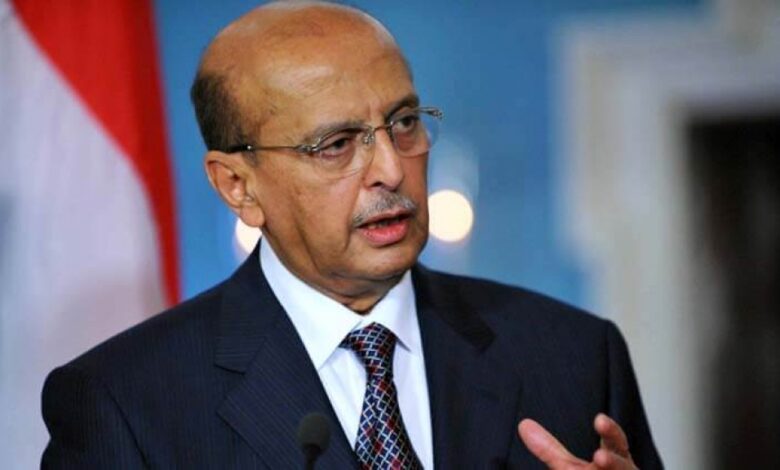
Former Yemeni Foreign Minister Abu Bakr Al-Qirbi stated that the U.S. requested direct participation in the investigations of suspects linked to the bombing of the USS Cole. However, the Yemeni government firmly rejected the request, insisting that any questioning of detainees be conducted exclusively through Yemeni authorities, with American inquiries routed through official Yemeni channels. He noted that this position created tensions between Sana’a and Washington at the time.
Speaking on the television program “The Session Is Secret” hosted by journalist Samir Omar on Egypt’s Cairo News Channel, Al-Qirbi said that Yemen was fortunate to have U.S. Ambassador Barbara Bodine serving during that period. He described her as one of the rare American diplomats who believed that protecting U.S. interests should not come at the expense of Yemen’s interests or create internal political crises for the Yemeni government.
Al-Qirbi explained that this mutual understanding helped both sides overcome the crisis surrounding the USS Cole investigation. However, he said the situation changed dramatically after the September 11 attacks. According to Al-Qirbi, former U.S. President George W. Bush presented the world with a stark choice: “Either you are with us, or you are against us,” making it difficult for Arab countries to oppose U.S. policy at that time.
He noted that Yemen’s first major move after September 11 was arranging a rapid visit by former President Ali Abdullah Saleh to Washington, where he met President Bush. Saleh reportedly emphasized that terrorism was a threat to all countries and that combating it required genuine international cooperation. Al-Qirbi added that some of the individuals accused of terrorism-related offenses had lived outside Yemen, while others had received education in the United States, stressing that Yemen stood alongside the international community in fighting terrorism.
According to Al-Qirbi, Yemeni-American relations after September 11 were built on cooperation in counterterrorism and maritime security. At that time, he said, the focus was on protecting freedom of navigation in the Red Sea and the Gulf of Aden and combating ship hijackings originating from the Somali coast. Yemen, he said, was a key partner in these efforts.
He added that cooperation with the US was carried out within Yemen’s commitment to safeguarding international shipping lanes without undermining domestic stability. Washington also revised security measures for its vessels transiting strategic waterways, and Yemen cooperated in these efforts as part of broader anti-terrorism and anti-piracy initiatives.
Al-Qirbi further revealed that he visited Iraq before the 2003 U.S.-led invasion, carrying a message from President Ali Abdullah Saleh to former Iraqi President Saddam Hussein. The message urged Baghdad to cooperate with the United Nations and show flexibility toward American demands, particularly concerning the nuclear issue, in an effort to avoid military confrontation.
He said Saddam Hussein, however, insisted on the principle of sovereignty and viewed the matter as one of “the nation’s dignity,” expressing readiness to fight in defense of that dignity. Al-Qirbi added that Saddam thanked Saleh for the message and sent a separate message encouraging the preservation of Yemeni unity.
Al-Qirbi recalled that he was first appointed Minister of Education before becoming Foreign Minister in April 2001, only months after the USS Cole bombing in Yemen. He noted that the period had initially been marked by positive developments, including the resolution of the Yemeni-Saudi border dispute.
Those positive circumstances, he said, were soon overshadowed by the bombing of the USS Cole in Aden in October 2000, followed by the September 11 attacks in New York City. As a result, international attention shifted from development and political reform to concerns about Yemen being viewed as a base for terrorist organizations.
He emphasized that the USS Cole bombing posed a major challenge for the Yemeni government. Although the United States did not initially react with the same intensity it later showed after September 11, Washington exerted pressure on Sana’a to make concessions that Yemeni officials considered to be matters of constitutional sovereignty.
Among those pressures, Al-Qirbi said, was the American desire to directly interrogate detainees connected to the USS Cole case. Yemen, however, remained committed to protecting its constitution and the constitutional rights of its citizens, refusing to compromise its legal sovereignty despite growing U.S. pressure at the time.