Yemen Monitor / Xinhua:
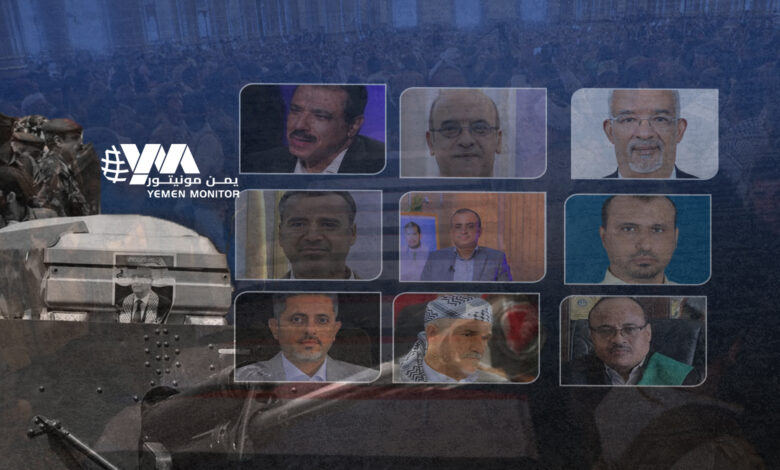
The confrontation between Israel and Yemen’s Houthi movement has entered a new phase after an Israeli airstrike on August 28 killed Ahmed Al-Rahwi, the prime minister of the Houthi-backed government, along with nine of his ministers.
Reports said the Houthi officials were attending a meeting in Sana’a and watching a televised speech by the group’s leader, Abdul Malik Al-Houthi, on the Gaza war when the Israeli air raids struck. According to a Houthi source, Israeli warplanes carried out ten airstrikes targeting a building south of Sana’a.
This marks the first time since Israel began striking Yemen in July 2024 that senior Houthi leaders have been killed, raising questions about Israel’s military strategy, the Houthis’ resilience, and the potential for wider regional escalation.
What was the Houthis’ response?
Following the Israeli strikes, Houthi officials responded defiantly, vowing to continue supporting Gaza and strengthening their armed forces.
On August 30, Mahdi Al-Mashat, head of the Supreme Political Council—the Houthis’ top governing authority in Sana’a—warned in a speech on Al-Masirah TV that “Israel should expect dark days.” Defense Minister Mohammed Nasser Al-Atifi declared that Houthi forces were “ready at all levels to confront” Israel, while Chief of Staff Mohammed Abdul Karim Al-Ghumari said, “The Israeli aggression on civilian sites will not go unpunished.”
On September 1, the Houthis announced they had targeted the oil tanker Scarlet Ray, linked to Israel, in the northern Red Sea. In the following days, the Yemeni group launched volleys of missiles and drones at Israel. On Sunday, the Houthis claimed to have launched eight drones toward the Negev, Eilat, Ashkelon, Ashdod, and Tel Aviv. One drone reportedly struck the arrivals hall at Ramon Airport near Eilat, injuring at least two people and temporarily suspending air traffic.
Analysts believe the Houthis, who possess a stockpile of missiles and drones capable of striking deep inside Israel, are seeking to drag Israel into a long war of attrition.
The detention of UN staff was another response to the Israeli strikes. On August 31, the group detained at least 11 UN employees in Sana’a and Hudaidah, bringing the total number of UN staff held in northern Yemen to 34, according to UN Special Envoy Hans Grundberg.
Media reports said the Houthis accused the UN employees of spying for Israel and the US.
Will the conflict expand?
The killing of senior civilian officials is unlikely to affect the Houthis’ military operations, which are overseen by commanders based outside Sana’a. Analysts expect the group to continue its attacks on Israeli targets.
Yemeni military expert Ali bin Hadi noted that “most of the top military leadership is stationed in remote and mountainous areas in the northern provinces, making them extremely difficult to reach.”
The Israeli strikes on senior Houthi officials have sparked speculation about whether this marks the beginning of a broader campaign against Houthi leaders, potentially undermining fragile regional understandings and deepening instability.
Yemeni political writer Mohammed Mohsen warned: “Israel risks being dragged into a conflict with no clear exit. If the Houthis continue their attacks, Israel may be forced to allocate more resources at a time when it faces growing security challenges at home.”
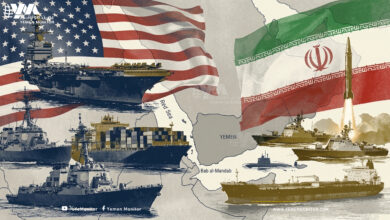
Analysts also caution that tensions could spill beyond Yemen itself. The Red Sea and Bab al-Mandab Strait, among the world’s busiest maritime routes, may witness escalating clashes that threaten international trade.
Any further escalation could draw in Yemeni factions allied with Saudi Arabia and the UAE, especially if they receive military or political support from Washington. Analysts warn this development could entangle multiple regional powers in a wider conflict.
The latest tensions also strain the fragile de-escalation agreement reached in May between Washington and the Houthis, which had paused clashes in the Red Sea. Any renewed targeting of U.S. vessels could collapse the deal entirely and push Washington into a direct confrontation with the Houthis.
Analysts say the escalation underscores a broader reality: the unresolved Israeli-Palestinian conflict continues to fuel instability far beyond Gaza, pulling new actors into the confrontation.