Yemen Monitor / Newsroom:
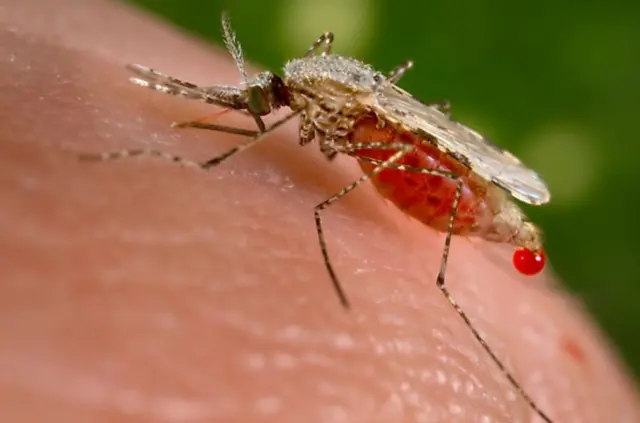
The health media official in Taiz Governorate, Taysir Al-Samaei, announced that 14,349 confirmed malaria cases have been recorded in the governorate since the beginning of 2025, in addition to tens of thousands of suspected cases, warning of a worsening health situation amid limited resources.
Al-Samaei said that malaria is one of the most dangerous and prominent health problems in Yemen, noting that previous studies have shown that about 60% of the country’s population is at risk of infection. Between 2 and 3 million people are infected annually, with a mortality rate of about 1% of total cases.
He explained that malaria is the most widespread health issue in Yemen due to its severity and serious complications, especially in remote areas deprived of medical services.
He noted that before the outbreak of the war, the Ministry of Public Health and Population had established the National Malaria Control Program as a specialized program, which over the years succeeded in reducing the spread of the epidemic and achieving tangible results.
He added that the war has severely affected the health sector and led to a decline in the program’s activities, contributing to the disease’s resurgence in several areas amid deteriorating health infrastructure.
Al-Samaei also criticized the weak attention given to malaria by international and local humanitarian organizations working in the health sector, saying it has not received sufficient priority compared to other health and humanitarian issues.
He pointed out that children and women in remote areas face the risk of dying silently due to shortages of medicines and limited diagnostic tools; even when available, they are often expensive and accessible only to a small portion of the population.
Al-Samaei called on the Ministry of Health and all humanitarian organizations to intervene urgently and provide the necessary support to the National Malaria Control Program, which he said is confronting one of the most dangerous epidemics in Yemen with limited resources.