Yemen Monitor | Newsroom:
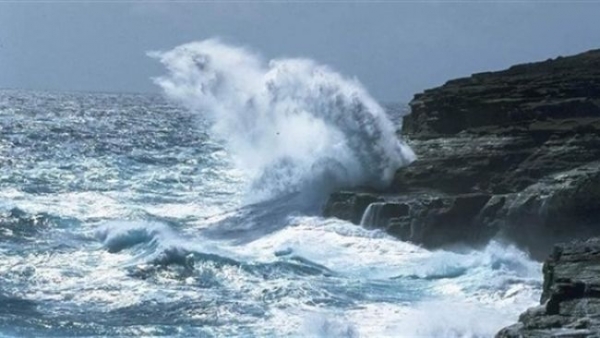
With the arrival of June each year, Yemen’s Socotra Island enters its violent monsoon season, which lasts until September, turning daily life into a series of harsh challenges. Powerful waves shut down all land, sea, and air access points.
The island’s main port comes to a near-complete halt due to the absence of sea barriers that could protect ships from winds exceeding 40 knots. Air travel becomes extremely limited, with ticket prices skyrocketing to unaffordable levels, preventing many from traveling for medical or educational purposes.
Economically, the fishing sector grinds to a halt due to the suspension of maritime activities, threatening the primary source of income for dozens of families. Meanwhile, markets witness an unprecedented surge in the prices of food, medicine, and fuel, driven by a deteriorating local currency and the lack of price controls.
Locals refer to this period as the “Middah Season” or “Al-Harf,” a term reflecting the hardship they endure annually—without any practical solutions from the authorities. Some actors even exploit the crisis to impose monopolies on essential goods, worsening the population’s suffering.
Southern areas and central highlands like Diksam and Hajher experience foggy, cold weather with intermittent rainfall. The sea remains in constant turmoil, leading residents to call it “Dumar,” a local term expressing the rage of the waves that make boat travel impossible.
Despite the recurrence of this crisis every year, local authorities have yet to offer any lasting solutions—whether by providing alternative transport, establishing strategic stockpiles, or supporting air travel. This has prompted residents to call for urgent intervention to address worsening economic and living conditions.
Despite its environmental and strategic significance, Socotra continues to suffer from chronic neglect. The monsoon season has become more than just a weather event—it is now a true test of the residents’ resilience in the face of isolation, inflation, and a lack of solutions.