Think Tank: Iranian Aircraft Crisis Amid Regional Escalation Is Reshaping the Rules of Engagement

Yemen Monitor / Newsroom:
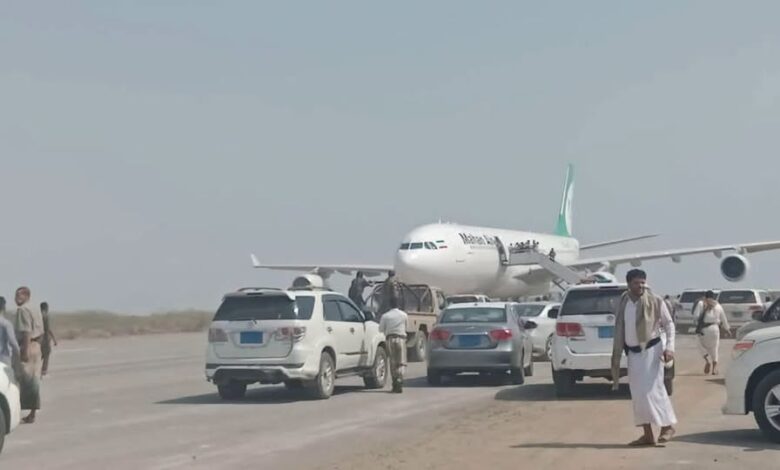
The Mokha Center for Strategic Studies said that the Iranian aircraft crisis represented a direct test of the Yemeni government’s sovereignty, the limits of Iranian influence, and the future of de-escalation between the Houthis and Saudi Arabia. According to the center, the incident is establishing new rules of engagement after four years of reduced tensions.
In a policy assessment released on Tuesday, the center stated that the targeting of the runway at Sanaa International Airport to prevent the Iranian aircraft from landing—before it was diverted to Hudaidah Airport—demonstrated a shift from political protest to the use of force. It also signaled the Yemeni government’s increased commitment to preventing unauthorized flights into Houthi-controlled areas.
The assessment argued that the timing of the crisis coincided with rising regional tensions between Iran and the US. It said Tehran was seeking to reaffirm its strategic ties with the Houthis while testing the ability of the Yemeni government and Saudi Arabia to enforce restrictions on air traffic between Iran and Houthi-controlled territory.
The report further noted that Iran is attempting to consolidate its influence in Yemen, while the Houthis are seeking to cement their control over the country’s airspace and airports. At the same time, the Yemeni government is working to restore the symbols of national sovereignty and prevent Yemeni airports from becoming a permanent gateway for Iranian influence. Saudi Arabia, meanwhile, is trying to contain the escalation without being drawn into a broader military confrontation.
The Mokha Center concluded that the most likely scenario in the near term is one of continued containment of the escalation, while warning that the possibility of limited military confrontations will remain if Iranian flights continue or Houthi attacks intensify.
The report cautioned that any future Iranian flight could become a decisive test of the emerging rules of engagement and push the Yemeni conflict into a more fragile and volatile phase.