Yemen Monitor / Aden / Exclusive:
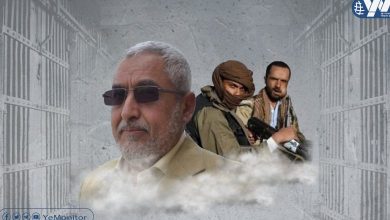
The dissolved Southern Transitional Council (STC) has intensified its tribal, political, and popular mobilization over the past two days against the release of eight individuals included on the Houthi movement’s exchange list. This comes just three days before the first exchange flight from Sana’a to Aden, scheduled for July 11, placing the deal in jeopardy.
The opposition campaign emerged unexpectedly on Monday, July 6, beginning on social media, followed by a protest in Aden and an official STC statement. Various groups and regions aligned with the STC subsequently issued statements escalating their rhetoric and threatening to obstruct the agreement, despite the fact that it had been signed months earlier by the government and the Houthis in the presence of a representative of the military forces in Aden.
STC Launches Sharp Attack on Saudi Arabia and the Deal
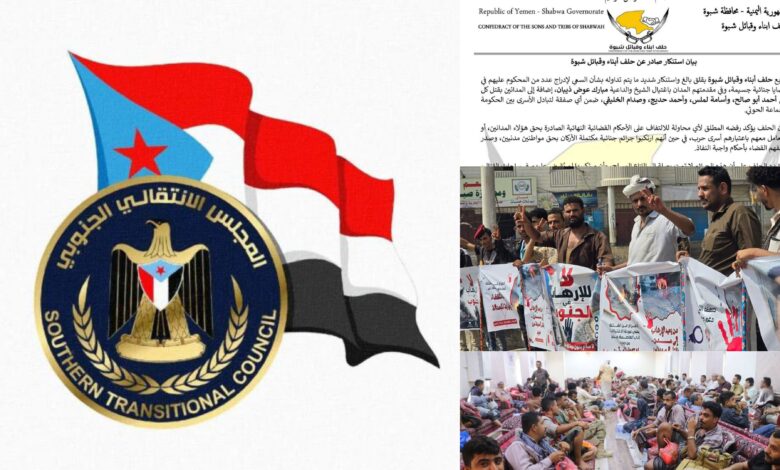
In a statement issued on Tuesday evening, July 7, the STC criticized the humanitarian efforts surrounding the exchange, accusing Saudi Arabia of arranging what it called a “catastrophic crime.” The statement held the “Saudi tutelary authorities” legally and morally responsible for the planned release of eight individuals whom it says were involved in the assassination of southern leaders, in exchange for Saudi pilots held by the Houthis. The STC also called on the international community to intervene and pressure the parties to halt the humanitarian deal.
The statement coincided with a protest in Aden earlier that day, where demonstrators carried placards opposing the inclusion of individuals they alleged were involved in assassinations of military leaders, including the prominent commander Thabet Jawas.
A 24-Hour Ultimatum and Armed Mobilization from Radfan
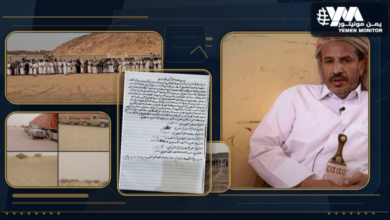
On Wednesday evening, a large and tense tribal gathering of residents of Radfan, who are generally aligned with the STC, convened in Aden following reports that suspects in the assassination of Major General Thabet Muthna Jawas and his companions were included in the exchange lists.
The gathering gave the Presidential Leadership Council and the government 24 hours to remove the convicted individuals from the deal. The statement warned that, should their demands be ignored, they would organize a large armed tribal mobilization to “secure the rights of the martyrs,” holding the relevant authorities responsible for any ensuing consequences.
Shabwa Alliance Joins the Escalation
The Sons and Tribes of Shabwa Alliance, an STC-affiliated body headed by Sheikh Ali bin Dushal Al-Nasi, also entered the dispute, issuing a statement condemning efforts to include persons convicted of criminal offenses in Shabwa in the exchange.
The alliance affirmed its absolute rejection of any attempt to circumvent judicial rulings against those convicted or to treat them as prisoners of war.
Observers of Yemeni affairs view the timing of the escalation as a clear attempt by the STC to reshuffle the political landscape and use criminal and tribal issues as leverage against the Presidential Leadership Council and the Arab Coalition. They warn that this could jeopardize the prisoner-exchange understandings and prolong the suffering of hundreds of detainees held by the Houthi movement.
The agreement is expected to result in the release of 1,680 detainees, including 1,100 affiliated with the Houthis and 580 linked to the Yemeni government and the Arab Coalition. The process is set to begin on July 11 with a reciprocal flight between Aden and Sana’a, followed by a second flight between Sana’a and the west coast under the control of Presidential Leadership Council member Tareq Saleh’s forces, and a final flight between Marib and Sana’a on the third day.