UNICEF and WHO Suspend Aid in Houthi-Controlled Areas… A “Health Catastrophe” Looms

Yemen Monitor / Sana’a / Exclusive:
The Houthi group has warned of “catastrophic” repercussions that threaten the lives of millions of Yemenis, following the decision by the United Nations Children’s Fund (UNICEF) and the World Health Organization (WHO) to stop providing health and humanitarian aid in areas under their control, a development that follows the World Food Programme’s (WFP) suspension of its projects since last August.
This development comes against the backdrop of a widespread campaign of arrests launched by the group, targeting more than 60 UN and relief workers, in addition to storming the headquarters of international organizations in Sana’a and other governorates under the group’s control.
The Minister of Health in the Houthi government (which is not internationally recognized) said that the suspension of aid threatens the cessation of operations for nearly two-thirds of the health sector in areas under the movement’s control.
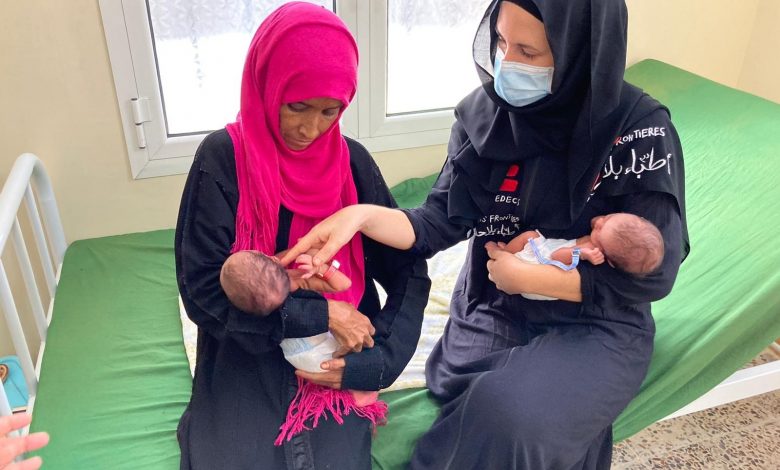
He added in a statement to the movement’s mouthpiece, Al-Masirah TV, which was monitored by “Yemen Monitor”: The aid suspension threatens the work of 2,000 health units and 72 hospitals, as well as supplies of fuel, oxygen, medicines, solutions, therapeutic feeding for children, and efforts to combat epidemics.
The health sector in Houthi areas relies almost entirely on external support due to the collapse of government budgets and the destruction of infrastructure caused by years of war. The halt of support means the imminent collapse of vital facilities, which will lead to the aggravation of the cholera crisis, epidemic diseases, and malnutrition, turning the health crisis from “severe” to truly “catastrophic,” with civilians bearing the consequences alone.
The Houthi official stressed that the situation poses a direct threat to the lives of about two million cases of malnutrition, including 600,000 cases of severe acute malnutrition, describing the international organizations’ decision as “inhumane.”
He mentioned that WHO justified the suspension of work with “security developments,” accusing the organization of “politicizing humanitarian work” and holding it responsible for the anticipated deterioration.
Field developments indicate that the decision to suspend aid is a direct reaction to the Houthis’ practices, which included their announcement of an intention to bring 43 detained UN staff to trial on charges of “espionage,” accusations that the UN strongly rejects and classifies as “arbitrary detention.”
These arrests are considered an attempt by the group to use the employees as a “bargaining chip” to achieve political or financial gains, without regard for the humanitarian repercussions on the population.
The recent arrests represent an unprecedented escalation in the pressures exerted by the Houthis on humanitarian work, which is a recurring pattern that previously included imposing restrictions on movement, confiscating aid, and attempting to control distribution mechanisms. This interference undermines the principles of neutrality and independence of humanitarian work and compels organizations to make difficult decisions to protect their staff and credibility.