High-Level UN Delegation Visits Taiz to Promote Peace Efforts and Women’s Empowerment

Yemen Monitor /Newsroom:
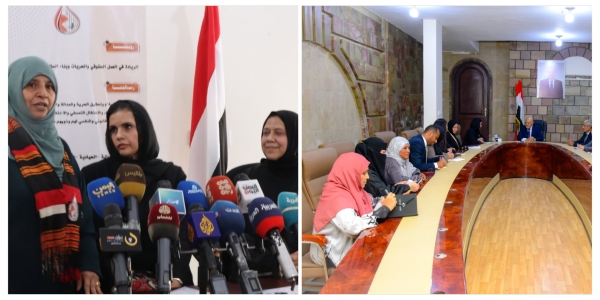
Taiz Governorate received a high-level United Nations delegation led by Zahra Langhi, Senior Advisor to the Office of the UN Envoy to Yemen, for a field visit lasting several days.
The visit comes as part of ongoing efforts to promote peace and empower women, coinciding with the 25th anniversary of UN Security Council Resolution 1325 on Women, Peace, and Security.
The delegation held a series of consultative meetings with local leaders and community representatives to discuss ways to achieve sustainable peace in Yemen, with a focus on the vital role of women in this process.
In the first working session, Langhi met with Taiz Governor Nabil Shamsan and a number of local authority officials. The two sides discussed the latest humanitarian developments and ongoing peacebuilding efforts.
The governor highlighted initiatives supporting women’s movements, recalling the assassination of Iftihan Al-Mashhari, Director of the Cleaning Fund, and confirmed that legal action is being pursued in her case.
Discussions also addressed the impact of the siege imposed on Taiz by the Houthi group, emphasizing the urgent need to open roads to revive economic activity and alleviate humanitarian suffering.
The UN senior advisor expressed her admiration for the resilience of the city, saying:
“I’m delighted to visit Taiz for the first time — this city represents the foundation of any comprehensive peace, despite all the challenges.”
The delegation’s agenda also included intensive meetings with the Association of Mothers of Abductees, reviewing cases of forced disappearances and Houthi violations against civilians.
Additionally, the delegation held working sessions with women leaders, officials from the Chamber of Commerce, and the Yemeni Women’s Union to discuss ways to enhance community participation.
The accompanying delegation included a number of UN experts in inclusion and participation, among them Muna Luqman, Ithar Shibani, Ali Al-Khulidi, and Abeer Beshai.