Yemeni Investigation Committee Holds Hearings with Torture Victims, Demands End to Violations and Accountability for Perpetrators

Yemen Monitor / Newsroom:
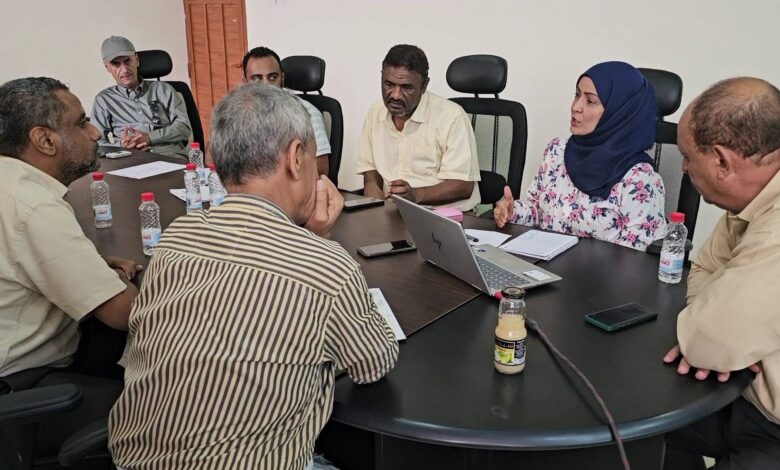
On Thursday, the National Committee to Investigate Alleged Human Rights Violations (a Yemeni governmental body) held individual and group hearings with victims who were subjected to torture and ill-treatment in various detention centers.
This initiative coincided with the International Day in Support of Victims of Torture, observed annually on June 26, and is part of the committee’s ongoing efforts to document severe violations against civilians in Yemen.
Judge Nasser Al-Audhali and Judge Ishraq Al-Maqtari, both members of the committee, oversaw the hearings. Victims recounted their harrowing experiences during their detentions, detailing the methods of physical and psychological torture they endured. These methods included electric shock, beatings with sticks, strangulation, solitary confinement, threats, and humiliation. Some victims also reported being deprived of medical care, which in certain cases led to death.
The victims, who were held in multiple prisons, affirmed that the torture violations occurred under unlawful detention conditions. They called for justice, reparations, and rehabilitation based on national laws and international human rights conventions.
In a statement issued on the occasion, the National Committee stressed its commitment to continue investigating cases of torture and inhumane treatment, noting the escalation of such violations during the years of armed conflict, particularly against the forcibly disappeared and arbitrarily detained.
The committee urged judicial authorities to take urgent action to hold those responsible for these violations accountable and ensure they do not escape punishment. It also called on governmental bodies, international organizations, and the international community to support psychological, social, health, and economic rehabilitation programs for the victims and their families.
The committee emphasized that combating torture is a legal and moral responsibility, stressing that silence or leniency in prosecuting those involved is inconsistent with the principles of justice and human rights and does not serve the path of peace and reconciliation in the country.