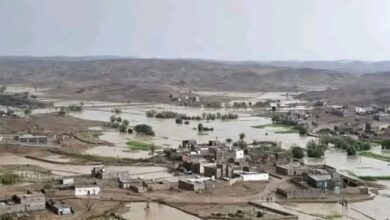
Yemen Monitor / Socotra / Special:
Since 2023, the Socotra Archipelago has been suffering from an unprecedented drought marked by an almost complete absence of rainfall or floods, according to the United Nations on Monday.
According to a recent assessment by the Food and Agriculture Organization (FAO), reviewed by Yemen Monitor, vast areas of rangeland have turned into barren land, forcing herders to abandon dozens of villages and migrate in search of water and pasture for their livestock.
Data from the Integrated Food Security Phase Classification (IPC) indicate a significant increase in the number of people experiencing food insecurity over the past year, coinciding with the deterioration of grazing lands on which local communities primarily depend.
Socotra relies heavily on rain-fed pastures, making it highly vulnerable to environmental shocks. Hassan Lam Amer, a local livestock breeder, described the daily hardship, saying: “We are forced to move our animals about 20 kilometers every day just to find green areas and drinking water.”
For his part, Ibrahim Al-Qudsi, Senior Water Resources Engineer at FAO, warned that water resource management in the archipelago faces serious challenges, stressing the urgent need for comprehensive improvement measures to adapt to accelerating climate change.
In response to the crisis, FAO is working through a project funded by the Global Environment Facility (GEF) to support climate adaptation by rehabilitating rangelands and expanding rainwater harvesting infrastructure, whose current storage capacity local communities report has been depleted.
The organization issued an urgent appeal to the international community and donors to increase investment in climate-resilient infrastructure in Socotra, emphasizing that coordinated action is essential to protect food security and reduce displacement risks on the island.
The Socotra Archipelago is a unique global natural reserve. While it has remained largely removed from the direct armed conflict affecting mainland Yemen for years, it has not escaped existential threats caused by climate change. The crisis represents a double blow to the island, which had begun to see a revival in tourism in recent years, as the fragility of its ecosystem threatens the primary source of income for local residents who depend on traditional pastoral livelihoods.