Human Rights Report: 1,937 Violations Attributed to the Houthis Against Tribal Sheikhs and Social Dignitaries Documented Over 10 Years

Yemen Monitor / Newsroom:
The Yemen Network for Rights and Freedoms said on Sunday that it has documented 1,937 violations whose commission is attributed to the Houthi group against tribal sheikhs and social dignitaries in Yemen, during the period from January 1, 2016, to March 30, 2026.
The network added, in a human rights report, that the documented violations occurred across 13 governorates: Sana’a, the Capital Municipality, Amran, Hajjah, Sa’adah, Raymah, Dhamar, Ibb, Taiz, Al-Mahwit, Al-Jawf, Al-Bayda, and Al-Dhale’e.
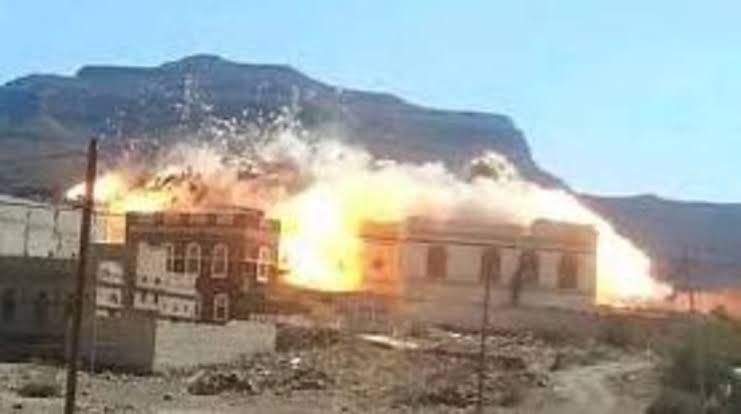
It stated that the violations included killing and physical liquidation, dragging and mutilating bodies, abduction and enforced disappearance, torture, bombing and looting houses, seizing private property, displacement and forced eviction, in addition to physical assaults and insults against tribal sheikhs and social icons.
According to the report, the network monitored 156 incidents of killing targeting tribal leaders, including 49 cases of killing by direct gunfire during raids on the victims’ homes. It also documented the burning of 16 bodies, 29 cases of dragging and mutilating bodies, in addition to the assassination and liquidation of 32 tribal sheikhs.
The report pointed out the recording of 43 injury cases affecting sheikhs and social figures, and 63 cases of assault, beating, insulting, and ill-treatment against tribal sheikhs.
The network stated that the Houthi group used, according to the report, a policy of pressure and blackmail to force tribal sheikhs to push more tribal members to the fighting fronts, considering that this represents a violation of human rights.
It added that the group “deals with the tribes through the logic of dynastic hierarchy, and seeks to eliminate the independence of tribal decision-making and subject the sheikhs to the authority of its leaders,” which it said has led to weakening the role of the tribe and causing rifts in the social fabric.
The report also indicated that what the Hajour tribes in Hajjah Governorate and Al Masoud tribe in Wald Rabi’ (Qayfah) District in Al-Bayda Governorate were subjected to—in terms of sieges and military operations—represents, according to the network, a model of the policy pursued by the group toward tribes that reject its authority.
The network called on the international community, the United Nations, and the Human Rights Council to impose sanctions on Houthi leaders involved in these violations, to work for the release of all individuals abducted and enforcedly disappeared, and to hand over the bodies of the victims to their relatives.
It also called on the Yemeni government and the National Committee to Investigate Alleged Violations of Human Rights to document these violations, provide protection for community and tribal leaders, and strengthen the role of justice institutions.